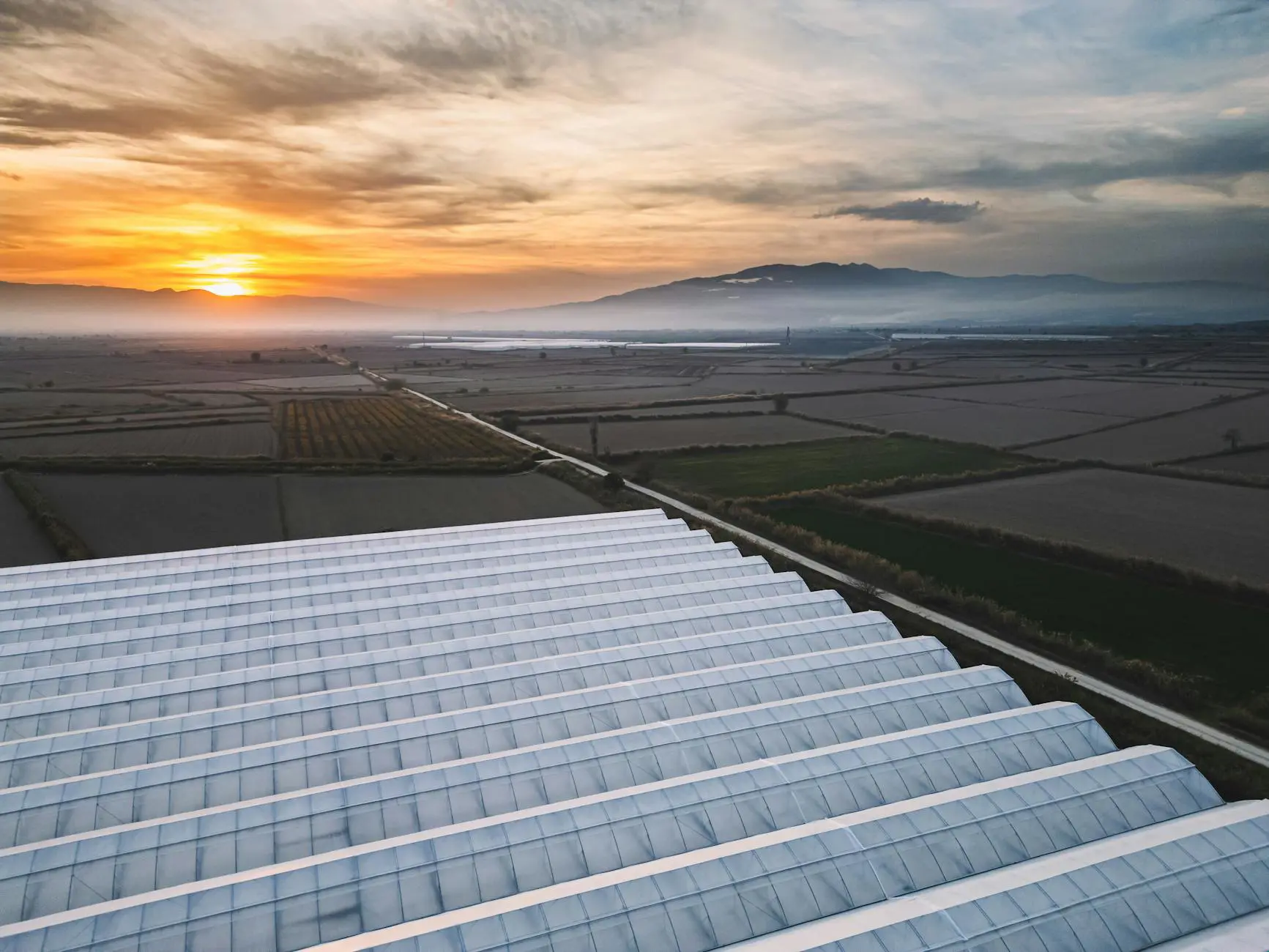
The AI Revolution in Agriculture
Despite being one of humanity's oldest endeavors, agriculture is experiencing a massive technological leap in recent years. Artificial intelligence (AI) has become a powerful tool that enables farmers to produce more efficiently, use resources more wisely, and become more resilient to the effects of climate change. With the global population expected to reach 10 billion by 2050, food production will need to increase by 60 percent. This is precisely where AI emerges as a critical technology shaping the future of agriculture.
So how exactly is AI being used in farming? In this article, we will examine practical AI solutions that farmers can implement in their daily operations right away.
Crop Monitoring and Plant Health Analysis
In traditional farming, growers would walk their fields and evaluate plant health by eye. However, for large acreages, this method is both time-consuming and prone to error. AI-powered crop monitoring systems solve this problem at its root.
Modern AI systems analyze data from satellite imagery and field sensors to deliver detailed reports on plant health. These systems can:
- Detect plant diseases at early stages and identify the specific disease type
- Spot pest infestations before they spread across the field
- Identify nutrient deficiencies through leaf color analysis
- Predict crop yields before harvest with over 90 percent accuracy
- Track plant growth stages in real time
For example, a farmer can use smartphone applications that diagnose diseases by simply photographing plant leaves. These apps leverage deep learning models trained on millions of plant images to deliver accurate diagnoses within seconds. Through early intervention, crop losses can be reduced by up to 30 percent.
Soil Analysis and Fertility Mapping
Healthy soil is the cornerstone of productive farming. AI is revolutionizing soil analysis by providing farmers with detailed information about every square meter of their fields. While traditional soil tests take days in a laboratory setting, AI-powered systems can deliver instant results.
AI-based soil analysis systems provide the following insights:
- Soil moisture levels and water-holding capacity maps
- pH value and mineral content analysis
- Organic matter content and microbiome diversity assessments
- Salinization and erosion risk predictions
- Customized fertilization recommendations for each zone
Through precision agriculture, AI understands that different parts of a field have different needs and creates separate fertilization and irrigation plans for each area. This approach can reduce unnecessary fertilizer use by 20 to 30 percent while increasing productivity by a similar margin. Benefiting both the environment and the farmer's bottom line, this methodology has become one of the fundamental principles of sustainable agriculture.
Weather Prediction and Climate Modeling
Agriculture is one of the sectors most dependent on weather conditions. An unexpected frost, excessive rainfall, or drought can destroy an entire season's work in a matter of moments. AI-powered weather prediction systems provide much more localized and accurate forecasts than traditional meteorological services, helping farmers minimize their risks.
These systems work by combining dozens of different data sources:
- Temperature, humidity, and wind data from local weather stations
- Cloud movements and precipitation patterns from satellite imagery
- Historical climate data and long-term trend analyses
- Real-time readings from soil moisture sensors
AI processes this data and sends farmers customized alerts. For instance, if there is a frost risk within the next three days, it can recommend delaying planting, or advise accelerating the harvest before an approaching rainstorm. Seasonal forecasts allow farmers to plan what to plant and when with greater confidence.
As the effects of climate change become more pronounced each year, AI models provide long-term climate projections that enable farmers to adapt their crop diversity and farming strategies accordingly.
Drone Technology and Aerial Farm Management
When combined with AI, drones become an exceptionally powerful tool in agriculture. AI-powered agricultural drones scan fields from above, capturing details invisible to the human eye and transforming this data into actionable insights.
The primary applications of drones in agriculture include:
- Multispectral imaging: Captures images in wavelengths beyond human perception to detect plant stress, water deficiency, and diseases.
- Precision spraying: AI ensures pesticides are applied only to diseased or pest-affected areas, potentially reducing chemical use by up to 80 percent.
- Seed planting: Drones enable precise seed dispersal, particularly in hard-to-reach terrain.
- Terrain mapping: Creates three-dimensional maps of fields for slope, drainage, and erosion analysis.
- Livestock monitoring: Tracks herd movements and animal health on livestock farms.
Today, a mid-range agricultural drone can be acquired for an investment of just a few thousand dollars, and most AI software is available through monthly subscription models. This makes the technology accessible to small and medium-sized farms as well.
Irrigation Optimization and Water Management
Water is agriculture's most precious resource, and global water scarcity is becoming an increasingly serious concern every year. The agricultural sector accounts for approximately 70 percent of global freshwater consumption. AI-powered smart irrigation systems ensure that every drop of water is used as efficiently as possible.
Smart irrigation systems continuously analyze the following parameters:
- Soil moisture levels measured at different depths
- Water requirements calculated based on plant type and growth stage
- Automatic irrigation schedule adjustments based on weather forecasts
- Evaporation rates and rainfall amounts factored into calculations
- Root zone moisture balance optimization
Research shows that AI-powered irrigation systems can reduce water consumption by 25 to 40 percent while increasing crop yields by 10 to 20 percent. Working in concert with drip irrigation systems, AI ensures each plant receives precisely the amount of water it needs. This both lowers water bills and prevents soil degradation caused by over-irrigation.
Autonomous Farm Vehicles and Robots
AI is also transforming farm machinery. Autonomous tractors, harvesters, and agricultural robots have moved from science fiction to reality. These vehicles use GPS, LiDAR sensors, and computer vision technologies to operate independently in the field.
The advantages of autonomous farm vehicles include:
- The ability to operate around the clock without interruption
- Elimination of inefficiencies caused by human error
- Centimeter-level precision in planting, fertilizing, and harvesting operations
- Optimized fuel consumption
- Reduced workplace safety risks
Weed-removal robots use AI to distinguish between crop plants and weeds, destroying only the weeds through mechanical or laser methods. This significantly reduces herbicide use and facilitates the transition to organic farming.
Post-Harvest Management with AI
AI's role in agriculture does not end at harvest. It adds tremendous value in post-harvest processes as well:
- Quality grading: Computer vision systems automatically classify products by size, color, and quality.
- Storage optimization: Monitors temperature and humidity conditions to keep produce fresh for as long as possible.
- Market forecasting: Analyzes supply and demand data to determine the optimal selling time and price.
- Supply chain planning: Optimizes logistics processes to minimize food waste.
While post-harvest losses in developing countries can reach up to 40 percent, AI-powered systems can significantly reduce this figure.
Practical First Steps for Farmers
Getting started with AI technologies in agriculture does not require massive investments. Farmers can adapt to these technologies step by step:
- Start with smartphone apps: Free or low-cost applications for plant disease diagnosis, weather forecasting, and crop tracking are readily available.
- Install soil sensors: Collect soil moisture and temperature data with affordable IoT sensors.
- Take advantage of government programs: Many countries offer grants and low-interest loan programs for transitioning to smart farming technologies.
- Collaborate through cooperatives: Share drones and expensive equipment through cooperative partnerships to reduce costs.
- Attend training programs: Follow digital agriculture training offered by universities and agricultural ministries.
The Future of Farming Is Being Shaped by AI
Artificial intelligence stands as a transformation engine making agriculture more efficient, sustainable, and profitable. From crop monitoring to irrigation optimization, drone technology to post-harvest management, it delivers tangible benefits to farmers at every stage. Solutions are available at every scale, from small family farms to large agricultural enterprises.
What matters is taking the first step toward these technologies today and preparing for the future of farming. AI is not here to replace farmers — it is here to be every farmer's most powerful ally.
To learn more about AI-powered agricultural solutions and discover the right technologies for your operation, get in touch with us today. Our expert team will guide you on your journey to digitizing your farming operations.