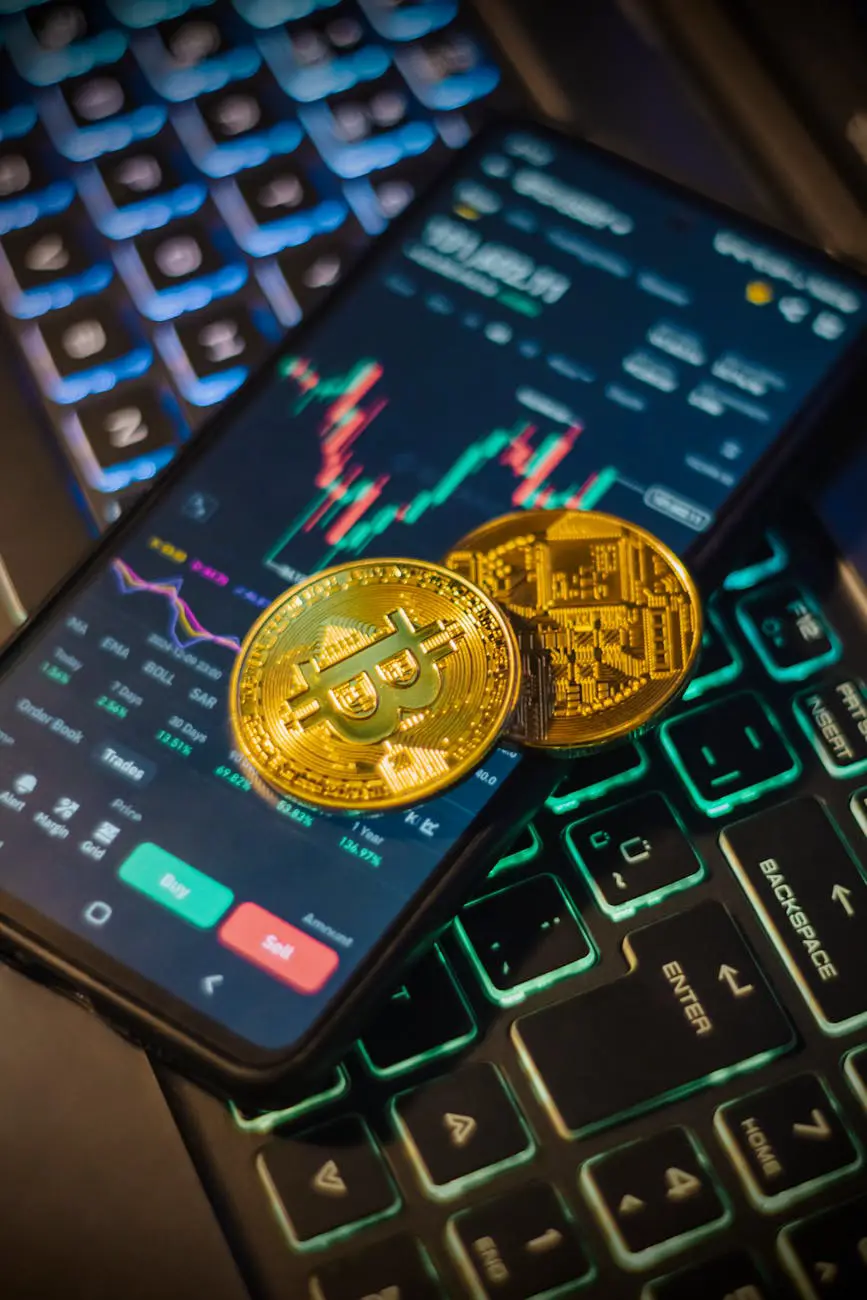
Entering the World of Cryptocurrency
Cryptocurrencies have emerged as one of the most compelling investment vehicles of the modern era. Since Bitcoin's launch in 2009, thousands of different digital currencies have entered the market, and the digital asset ecosystem has expanded rapidly. As of 2026, the cryptocurrency market has matured with the participation of institutional investors and has become an accessible investment arena for millions of people worldwide.
However, buying cryptocurrency can seem daunting at first glance. Choosing an exchange, opening an account, completing identity verification, and implementing security measures involve multiple steps that can be confusing for beginners. In this guide, we will walk you through the cryptocurrency buying process step by step, covering everything from selecting the right exchange to crafting your first investment strategy.
What Is a Cryptocurrency Exchange?
A cryptocurrency exchange is an online platform where digital assets are bought and sold. Just like buying and selling stocks on a traditional stock exchange, crypto exchanges allow you to trade Bitcoin, Ethereum, and other altcoins in exchange for fiat currency (USD, EUR, GBP) or other cryptocurrencies.
Cryptocurrency exchanges fall into two main categories:
- Centralized Exchanges (CEX): Platforms managed by a company with user-friendly interfaces. Binance, Coinbase, Kraken, and Gemini fall into this category.
- Decentralized Exchanges (DEX): Platforms that operate through smart contracts, offering intermediary-free trading. Uniswap and PancakeSwap are the most well-known examples.
For beginners, centralized exchanges are generally a more suitable starting point. They offer customer support, intuitive interfaces, and the ability to purchase directly with fiat currency.
How to Choose the Right Exchange
Selecting the right exchange is one of the most critical steps in your cryptocurrency journey. A poor choice can result in security risks and high costs. Let us examine the key criteria you should consider when choosing an exchange.
Security and Regulation
Security should be your top priority when selecting an exchange. Make sure the exchange you choose has the following security features:
- Two-factor authentication (2FA) support
- Cold storage for asset custody
- Insurance funds or user protection mechanisms
- Registration with and compliance to regulatory bodies
- Track record regarding past security breaches
In most jurisdictions, exchanges are required to comply with anti-money laundering (AML) and financial regulations. Choosing a licensed and audited exchange is critical for the safety of your investment.
Trading Fees and Commissions
Each exchange applies different fee structures. The types of fees you may encounter include:
- Trading commission: A percentage fee charged on each transaction (typically between 0.1% and 0.5%)
- Deposit fee: Fees charged for deposits via bank transfer or credit card
- Withdrawal fee: The cost of transferring cryptocurrency from the exchange to your personal wallet
- Spread: The difference between buy and sell prices
Supported Cryptocurrencies
Some exchanges list only popular cryptocurrencies, while others offer hundreds of altcoins. Check whether the cryptocurrencies you plan to invest in are listed on the exchange. Also evaluate whether the exchange supports direct purchases with your local currency.
User Experience and Mobile App
Especially for beginners, having a clear and easy-to-use interface is important. Mobile app quality, charting tools, and the quality of customer support should also be among your evaluation criteria.
Account Registration and KYC Process
After selecting your exchange, you can proceed with the account registration process. All modern crypto exchanges implement identity verification (KYC - Know Your Customer) procedures as required by law.
Account Creation Steps
- Sign up: Create an account with your email address and a strong password.
- Email verification: Click on the verification link sent to the email you provided during registration.
- Identity verification: Upload a photo of your government-issued ID or passport.
- Selfie verification: Take a selfie with your ID or complete facial recognition verification.
- Address verification: Some exchanges may additionally request proof of address documentation.
KYC Process Tips
The KYC process typically takes anywhere from a few minutes to 24 hours to complete. To speed up the process, pay attention to the following points:
- Ensure that the information on your identity document is current and legible
- Take photos in a well-lit environment
- Make sure the name on your documents matches your account information
- Check the accepted document types in advance
Making Your First Deposit
Once your KYC verification is approved, you can deposit funds into your account. The most common deposit methods available on major exchanges include:
- Bank transfer (Wire/ACH): The lowest-cost method. Usually free or carries very low fees.
- Credit/debit card: Offers instant deposits but commission rates are higher (typically 1-3%).
- Cryptocurrency transfer: You can send crypto from another exchange or wallet.
Start with an amount you can afford to lose for your first investment. The cryptocurrency market is highly volatile, and the value of your investment can drop quickly.
Making Your First Cryptocurrency Purchase
After depositing funds into your account, you can make your first cryptocurrency purchase. Understanding the different order types will help you make more informed buying decisions.
Order Types
- Market order: Executes an immediate purchase at the current market price. It is fast but offers no price control.
- Limit order: Automatically buys when the price reaches the level you specify. Provides price control but your order may not be filled.
- Stop-limit order: Creates a limit order when a specific price level is triggered. Useful for risk management.
Which Cryptocurrency Should You Start With?
For beginners, the safest choice is to start with established cryptocurrencies that have high market capitalization:
- Bitcoin (BTC): The pioneer and largest cryptocurrency by market cap. Widely regarded as a store of value.
- Ethereum (ETH): The smart contract platform and cornerstone of the DeFi ecosystem.
- Stablecoins (USDT, USDC): Cryptocurrencies pegged to the US dollar with low volatility. They can serve as a safe harbor while you learn the market.
First Investment Strategies
Establishing a strategy for cryptocurrency investment helps you avoid making emotional decisions. Let us explore strategies that are well-suited for beginners.
DCA (Dollar Cost Averaging) Strategy
DCA is a strategy that involves buying a fixed amount of cryptocurrency at regular intervals. For example, purchasing the same dollar amount of Bitcoin every week or every month reduces the impact of price fluctuations and helps balance your average cost. This strategy minimizes timing risk and is ideal for long-term investors.
Portfolio Diversification
Rather than putting all your investment into a single cryptocurrency, diversify your portfolio. A sample allocation could look like this:
- 50% Bitcoin (stability and store of value)
- 25% Ethereum (growth potential)
- 15% Large-cap altcoins (diversification)
- 10% Small-cap projects (high risk/high reward potential)
Long-Term Holding (HODL)
Short-term price movements in the cryptocurrency market can be extremely volatile. The long-term holding strategy aims to hold your cryptocurrencies for years without being affected by daily fluctuations. Historical data shows that Bitcoin has recorded significant value appreciation over the long term.
Security Tips and Best Practices
Security is the most important element of protecting your investment in the crypto world. Make sure to implement the following measures.
Account Security
- Always enable two-factor authentication (2FA). Use Google Authenticator or similar apps and avoid SMS-based 2FA.
- Use a unique and strong password for each platform.
- Be vigilant against phishing attacks. Always type the exchange address directly into your browser.
- Do not trust investment advice from strangers or promises of "guaranteed returns."
Wallet Security
Instead of keeping large amounts of cryptocurrency on the exchange, consider transferring them to your own wallet:
- Hardware wallet: Devices like Ledger or Trezor store your cryptocurrencies offline. This is the most secure method.
- Software wallet: Apps like MetaMask or Trust Wallet are suitable for daily use but are less secure than hardware wallets due to internet connectivity.
Never store your recovery phrases (seed phrase) digitally. Write them down on paper and keep them in a secure location. These phrases are the only way to access your wallet.
Common Mistakes to Avoid
Knowing the common traps that new investors frequently fall into will help you avoid costly mistakes:
- FOMO (Fear of Missing Out): Buying a rapidly rising cryptocurrency near its peak price. Make purchases according to your strategy, not after the price has already surged.
- Investing without research: Instead of acting on social media tips, research the project's technical infrastructure, team, and use cases.
- Leveraged trading: Leveraged trading is extremely risky for beginners. Do not enter this area without gaining experience.
- Investing all capital at once: By spreading your investment over time, you are less affected by market fluctuations.
- Panic selling: Selling in panic during downturns usually results in losses. Stick to your strategy.
Tax and Legal Obligations
In most countries, gains from cryptocurrency transactions are subject to taxation. The key regulations that investors should be aware of include:
- Gains from buying and selling cryptocurrency must be declared for tax purposes.
- Exchanges are obligated to share user transaction information with regulatory authorities.
- Additional reporting requirements may apply for transactions exceeding certain annual thresholds.
It is recommended to seek professional support from a tax advisor to meet your tax obligations. Regularly record and retain your transaction history.
Conclusion
Buying cryptocurrency is a fairly straightforward process when approached with the right knowledge and preparation. Selecting a reliable exchange, properly securing your account, and following a disciplined investment strategy form the foundations of a successful cryptocurrency journey. Start with small amounts to gain experience, learn the market, and manage your investments with informed decisions. Remember, the cryptocurrency market harbors risks as well as opportunities; always invest only what you can afford to lose.


