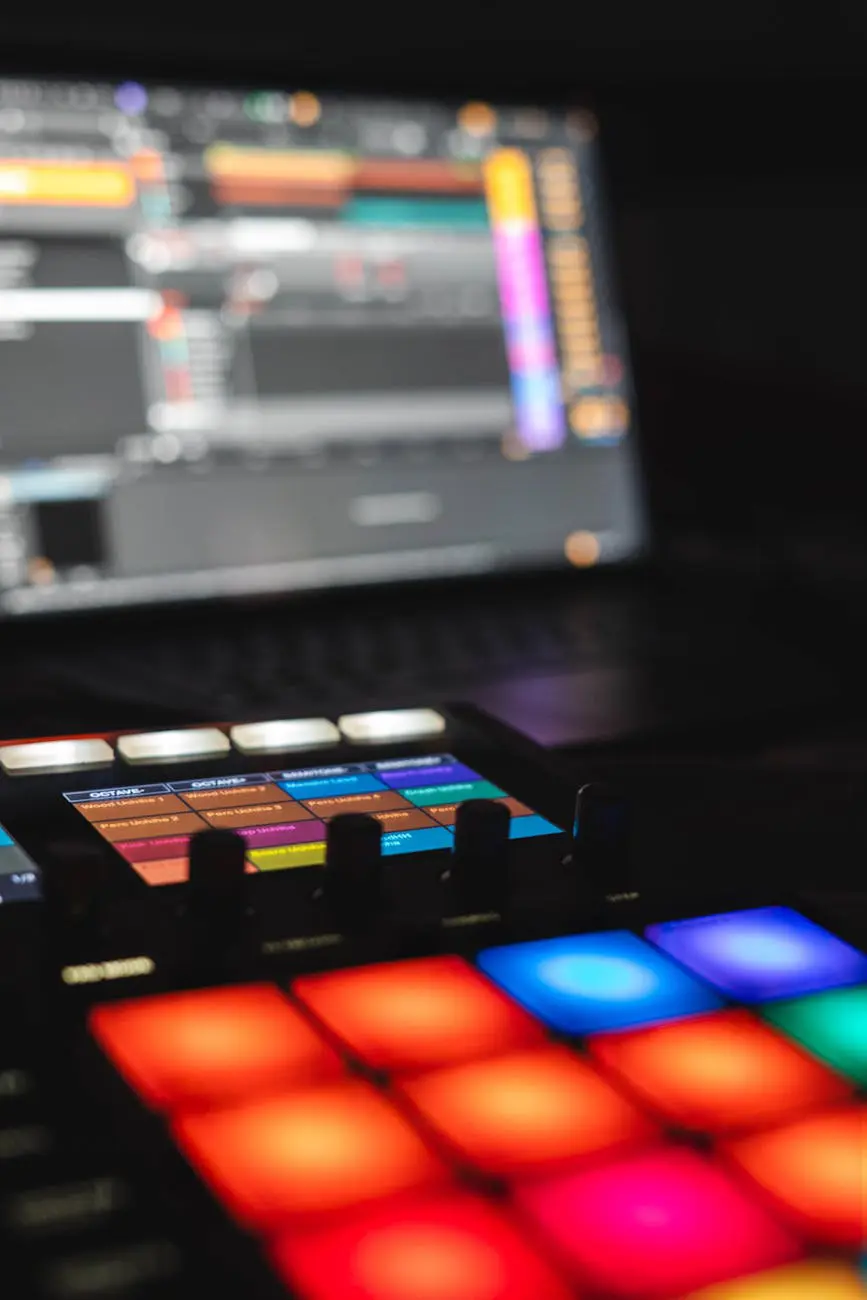
AI Is Revolutionizing Music Production
Music is one of the oldest art forms in human history. Yet the arrival of artificial intelligence has propelled music production into an entirely new dimension. Today, it is possible to create professional-quality music without knowing how to play an instrument, read sheet music, or even understand music theory. In 2026, AI music tools offer unprecedented possibilities for both amateur music enthusiasts and professional producers alike.
In this guide, we will comprehensively explore the fundamentals of making music with AI, the most popular tools available, effective techniques, and creative workflows. Whether you are a beginner looking to create your first track or a professional seeking to accelerate your workflow, you will find valuable insights here.
AI Music Tools: A Comprehensive Review
Suno AI
Suno is one of the most popular AI music platforms capable of generating full-length songs from text descriptions. Users can write a text prompt and receive a complete song with vocals, instrumental arrangement, and production quality within minutes. Suno's greatest advantage is its ability to generate both melody and lyrics simultaneously.
- Fast results with text-based song generation
- Support for a wide range of genres (pop, rock, electronic, classical)
- Ability to edit vocal and instrumental tracks separately
- Limited daily generations available on the free tier
Udio
Udio stands a step ahead of its competitors when it comes to audio quality and musical expression. It is particularly notable for its vocal quality and instrument detail. Users can create customized music by specifying genre, tempo, mood, and instrumentation through detailed text prompts.
- High-quality audio output and realistic vocal generation
- Precise control through a detailed prompt system
- Track extension and editing features
- Professional-level mix and mastering quality
AIVA (Artificial Intelligence Virtual Artist)
AIVA is an AI composer that specializes in film scoring, game soundtracks, and classical music composition. Unlike other tools, AIVA produces MIDI output, giving users the ability to edit the generated music note by note. It serves as a powerful assistant tool for professional composers.
- Full editing control with MIDI format output
- Algorithms optimized for film and game music
- Support for orchestral arrangements and classical music forms
- Commercial use licensing options
Soundraw
Soundraw is an AI music platform designed specifically for content creators and video producers. Users can generate royalty-free music by setting parameters for genre, mood, tempo, and duration. The ability to edit each section of the generated track individually makes Soundraw an extremely flexible tool.
- Specifically optimized for content creators
- Section-based editing (intro, verse, and chorus separately)
- Royalty-free commercial use license
- Ideal for YouTube, podcast, and social media content
Amper Music (Merged with Shutterstock)
Amper Music, now operating under the Shutterstock umbrella, is an AI music production platform designed for enterprise users and advertising agencies. Amper is a strong option for fast, high-quality background music production. Its API access allows integration into applications for automated music generation.
Boomy
Boomy simplifies the music production process to its most basic form. You can create songs in just a few clicks and distribute them directly to digital platforms like Spotify and Apple Music. Thanks to its revenue-sharing model, you can also earn income from the music you produce.
AI Music Production Techniques
The Art of Writing Effective Prompts
Writing effective prompts is critically important for getting the best results from AI music tools. A good music prompt should include the following elements:
- Specify the genre: Instead of "electronic," use specific subgenres like "melodic techno" or "ambient downtempo."
- Define the mood: Add emotional layers such as "melancholic but hopeful" or "energetic and bold."
- Instrument details: Use specific descriptions like "starting with acoustic guitar arpeggios, layered with synthetic pads."
- Tempo and dynamics: Specify a BPM range and describe dynamic changes throughout the track.
- Reference points: Provide references like "Hans Zimmer-style cinematic" or "lo-fi hip hop study music."
The Iterative Generation Method
It is important not to expect perfect results on the first try. The best approach is an iterative production process. Start by generating several variations with a general prompt, then select the result you like best and refine your prompt with more detail and specificity. Repeat this cycle until you achieve your desired outcome.
Hybrid Workflow: AI and Traditional Production
The most impressive results typically emerge when you combine AI tools with traditional music production software. For example, you can create a foundational melody and chord progression with AIVA, then export it to a DAW (Digital Audio Workstation) and layer real instrument recordings on top. This hybrid approach combines the speed of AI with human creativity.
AI music tools are not designed to replace musicians but to accelerate their creative processes and help them discover new ideas. The best results are always achieved with a human touch.
Stem Separation and Remixing
Modern AI tools can separate existing music tracks into their individual stems (vocals, drums, bass, melody). This feature is useful for remix work, creating karaoke versions, or isolating specific instruments. Tools like Lalal.ai and MVSEP are leading solutions in this space.
Use Cases and Practical Applications
For Content Creators
Creating original background music for YouTube videos, podcasts, social media content, and presentations is one of the most common use cases for AI music tools. You can produce entirely original music while avoiding copyright issues. Soundraw and Boomy are particularly well-suited for this purpose.
Film and Game Production
AI music tools are a tremendous asset for independent filmmakers and game developers. You can create cinematic orchestral scores with AIVA, character themes or atmospheric soundscapes with Suno. For small-budget projects, AI music delivers remarkably effective results as an alternative to hiring a professional musician.
Advertising and Marketing
AI music tools provide fast and economical solutions for advertising jingles, in-store music, and brand audio identities. With Amper Music's API, this process can be automated, enabling the generation of numerous music variations for large-scale campaigns.
Education and Personal Development
AI music tools can also be used to learn music theory and develop composition skills. By analyzing tracks generated by AI, you can gain insights into chord progressions, melody structures, and arrangement techniques. These tools also serve as valuable aids for music teachers.
Copyright and Legal Considerations
The copyright status of AI-generated music remains a debated topic in 2026. Generally, most AI music platforms grant users commercial use rights; however, conditions vary depending on the platform and subscription plan. It is important to carefully review each platform's licensing terms before using your music commercially.
- Check the licensing terms before using generated music in commercial projects
- Remember that each platform has different commercial use policies
- Avoid productions that directly imitate existing artists' styles
- Use AI music as a starting point and add your own original touches
Recommended Workflow for Beginners
If you are new to AI music production, we recommend following these steps:
- Choose your tool: Start with an AI music tool that matches your purpose. Suno or Udio for general song creation, AIVA for instrumental music, and Soundraw for content music.
- Start small: Begin with simple prompts in your first attempts and evaluate the results.
- Refine: Build on results you like by developing your prompts and making more specific requests.
- Edit: Rather than using AI output as-is, personalize it by editing in a DAW program.
- Combine: Merge results from different AI tools to create original compositions.
Looking Ahead
AI music technology continues to evolve at an incredible pace. Real-time music generation, AI-assisted live performances, personalized music experiences, and more sophisticated creative control mechanisms will continue shaping the music industry in the near future. Learning these tools now and integrating them into your workflow will provide a significant advantage going forward.
Artificial intelligence is democratizing the music-making process and enabling everyone to bring out their inner musician. Regardless of which tool you start with, what matters is not being afraid to experiment and supporting your creativity with AI.
Take action today to try AI music tools and begin your music production journey. Most of the tools mentioned above offer free trial versions — do not miss this opportunity and experience the power of AI-assisted music production for yourself!