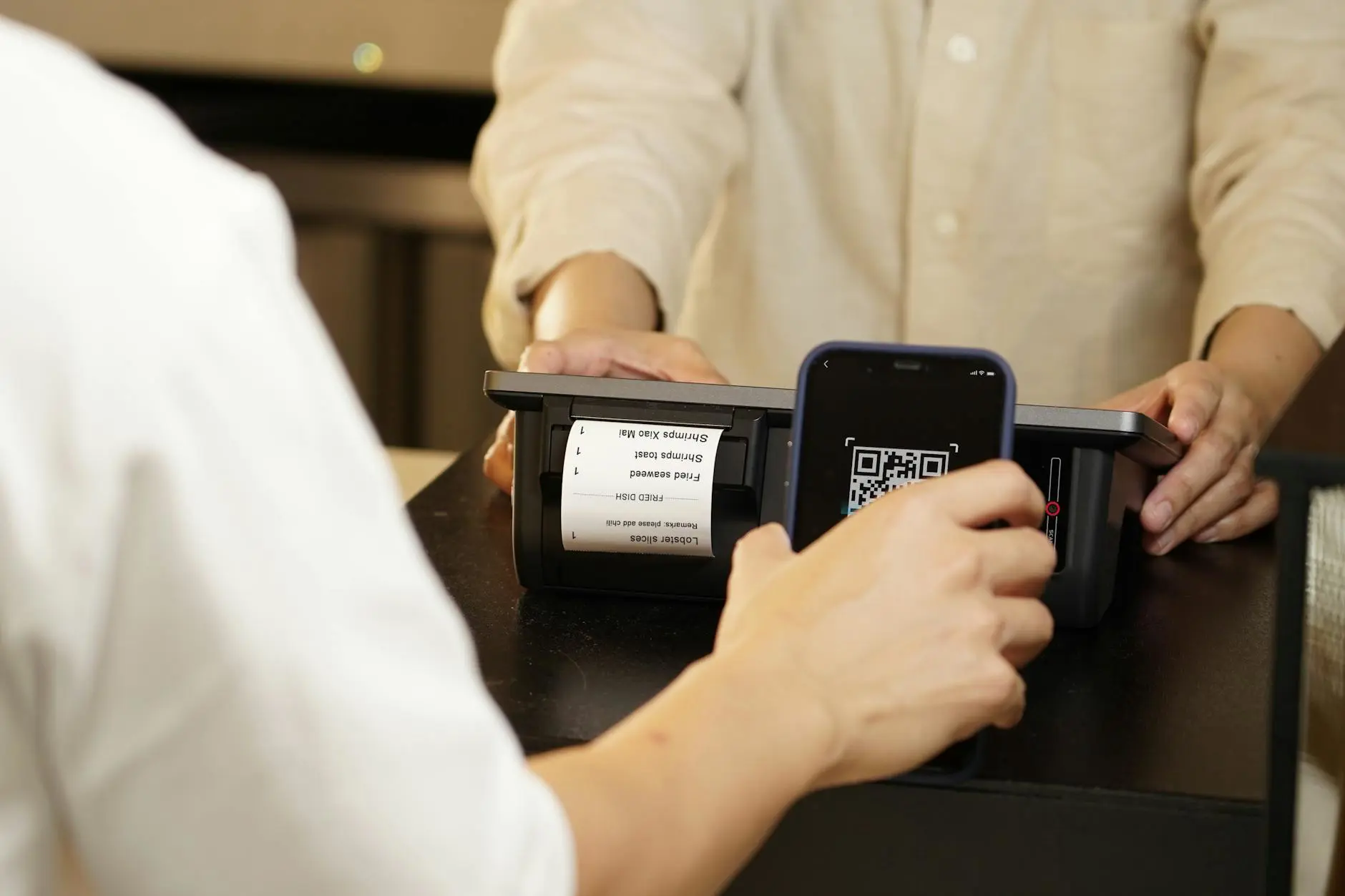
A New Era in Payment Technologies
As cash usage rapidly declines around the world, digital payment methods have become an integral part of our daily lives. QR code payments, NFC contactless payment systems, and digital wallets are fundamentally transforming how consumers and businesses handle transactions. By 2026, global digital payment volume has surpassed $10 trillion, and this figure continues to grow year after year.
How do these payment technologies work? Which one is more secure? What is the best solution for businesses and individuals? In this comprehensive guide, we explore every aspect of modern payment technologies.
QR Code Payment Systems
What Is a QR Code and How Does It Work?
A QR (Quick Response) code is a type of two-dimensional barcode originally developed in 1994 in Japan for the automotive industry. However, its use in payment systems has exploded over the past decade. The QR code payment system fundamentally relies on scanning payment information through a smartphone camera.
The QR code payment process works as follows:
- The merchant generates a dynamic QR code containing the payment amount or presents a static QR code to the customer.
- The customer scans the QR code using their smartphone's payment application.
- The application verifies the payment information and requests confirmation from the user.
- Upon confirmation, the payment is processed through a bank or digital wallet.
Advantages of QR Code Payments
The greatest advantage of QR code payment systems is their low infrastructure cost. A business does not need to purchase expensive POS terminals to accept QR code payments. Even a printed QR code can suffice. This is particularly beneficial for small businesses and street vendors.
- Low setup and operating costs
- Accessible to anyone with a smartphone
- Quick and easy integration
- International payment convenience
- No physical contact required
Global Adoption of QR Code Payments
QR code payments have seen remarkable adoption across different regions. In China, platforms like Alipay and WeChat Pay have made QR codes the dominant payment method, processing billions of transactions daily. India's UPI (Unified Payments Interface) system has similarly leveraged QR codes to bring digital payments to hundreds of millions of users. In Europe and North America, QR code adoption accelerated significantly during and after the pandemic, with major payment providers integrating QR functionality into their ecosystems.
NFC Contactless Payment Technology
What Is NFC Technology?
NFC (Near Field Communication) is a technology that enables wireless data transfer between two devices over short distances. In payment systems, NFC facilitates the transfer of encrypted payment information between a smartphone or contactless card and a POS terminal. The communication range typically does not exceed 4 centimeters, which is an important factor that enhances security.
How NFC Payments Work
The NFC payment system uses an advanced security mechanism called tokenization. Your actual card number is never shared. Instead, a unique digital token is generated for each transaction.
- The user brings their NFC-enabled device close to the POS terminal.
- The device transmits tokenized payment information in encrypted form to the terminal.
- The terminal sends this information to the payment network.
- The payment network matches the token with the actual card information and verifies the transaction.
- Confirmation returns to both the terminal and the device within seconds.
Security Aspects of NFC Payments
NFC payment systems are protected by multiple layers of security. Through tokenization, card information is never transmitted in plain form. Biometric authentication (fingerprint or facial recognition) protects transactions against unauthorized use. Additionally, PIN codes are required for payments above certain thresholds, creating an additional security layer.
NFC technology completely eliminates the risk of physical card skimming. The unique token generated for each transaction cannot be reused even if intercepted.
Digital Wallets: Apple Pay, Google Pay and Beyond
What Is a Digital Wallet?
A digital wallet is an application that securely stores information such as credit cards, debit cards, loyalty cards, and even identification documents in a digital environment. Digital wallets offer a comprehensive payment experience by combining both NFC and QR code payment technologies.
Apple Pay
Apple's payment solution, Apple Pay, was launched in 2014. It can be used on iPhone, Apple Watch, iPad, and Mac devices. Apple Pay provides high security through biometric authentication using Face ID or Touch ID. Available in over 70 countries, Apple Pay has become one of the most widely accepted mobile payment solutions worldwide, supporting millions of merchants.
Google Pay
Google's payment platform, Google Pay, works on Android devices and supports both NFC-based in-store payments and online transactions. Google Pay's advantage lies in the vast user base of the Android ecosystem. Additionally, Google Pay offers a comprehensive wallet experience with loyalty card and gift card integration.
Other Notable Digital Wallets
- Samsung Pay: Thanks to MST (Magnetic Secure Transmission) technology, it works even on older magnetic POS terminals.
- PayPal: The pioneer of online payments now supports in-store QR code payments as well.
- Venmo: Popular in the United States for peer-to-peer payments, now expanding into merchant payments.
- Alipay and WeChat Pay: Dominant platforms in the Chinese market pursuing global expansion strategies.
Comparing the Technologies
Speed and Ease of Use
NFC contactless payment leads in terms of speed. A transaction takes an average of 1-2 seconds. QR code payments, including the scanning and confirmation process, are completed in 5-10 seconds. Digital wallets inherit the speed of whichever underlying technology they use.
Security Comparison
All three technologies offer robust security measures, but their approaches differ. NFC provides hardware-level security through short communication range and tokenization, while QR code systems ensure security through software encryption and single-use codes. Digital wallets strengthen both technologies by adding biometric authentication.
Accessibility and Infrastructure Requirements
QR code payment is the most accessible technology in terms of infrastructure. It can be used with any smartphone that has an internet connection. NFC payments require an NFC-enabled device and a compatible POS terminal. This is the primary reason why QR code payments spread more rapidly in developing countries.
Choosing Payment Technology for Your Business
As a business, several critical factors should be evaluated when determining which payment technology to adopt:
- Customer profile: If you have a young, tech-savvy customer base, digital wallet and NFC support should be prioritized.
- Transaction volume: For businesses with high transaction volumes, NFC's speed advantage can be decisive.
- Budget: Small businesses with limited budgets can start with QR code solutions.
- International customers: In tourist-heavy areas, supporting multiple payment methods is essential.
- Integration needs: Compatibility with your existing accounting and inventory management systems is important.
The Future of Payment Technologies
Biometric Payments
Biometric payment methods such as palm scanning, iris recognition, and voice recognition have moved beyond pilot programs and begun widespread adoption in 2026. Amazon's "Just Walk Out" technology and palm payment system Amazon One are revolutionizing physical retail.
Central Bank Digital Currencies (CBDCs)
Central banks worldwide are developing their own digital currencies. The European Central Bank's digital euro project and similar initiatives across Asia are designed to integrate seamlessly with existing payment infrastructure. CBDCs will leverage QR code and NFC technologies to ensure smooth integration with the current payment ecosystem.
AI-Powered Payment Security
Artificial intelligence algorithms are becoming increasingly effective at detecting payment fraud in real time. Machine learning models analyze users' payment patterns to instantly block suspicious transactions. This technology has become one of the cornerstones of payment security in 2026, reducing fraud losses by an estimated 40 percent compared to traditional rule-based systems.
IoT and Embedded Payments
Automatic payments made through Internet of Things (IoT) devices are creating a new payment paradigm. Scenarios such as your smart refrigerator automatically ordering depleted items or your electric vehicle automatically paying its charging fee are no longer hypothetical but reality. These embedded payments operate invisibly in the background, creating frictionless commerce experiences.
Security Tips and Best Practices
To use digital payment technologies safely, it is important to follow these recommendations:
- Always keep biometric authentication (fingerprint or facial recognition) active on your device.
- Keep your payment applications and operating system up to date.
- Avoid scanning untrusted QR codes, as fake QR codes can lead to phishing attacks.
- Keep payment notifications active to monitor every transaction in real time.
- Avoid making payments on public Wi-Fi networks.
- Only add cards you trust to your digital wallet.
Conclusion
QR code, NFC, and digital wallet technologies are three fundamental pillars of the payment ecosystem that complement each other. None will completely replace the others; instead, they will continue to coexist in different use cases. For businesses, the most sound strategy is to support as many payment methods as possible, offering customers freedom of choice.
For consumers, these technologies provide faster, more secure, and more practical payment experiences. Combined with biometric payments, CBDCs, and AI-powered security systems, the evolution of payment technologies will continue unabated, with cash usage decreasing a little more each passing day. The future of payments is digital, contactless, and increasingly intelligent.


