Why Methodology Matters
A project management methodology provides a structured framework for planning, executing, and completing projects. Without a methodology, teams often struggle with unclear priorities, scope creep, missed deadlines, and communication breakdowns.
The right methodology depends on your project type, team size, industry, and organizational culture. This guide explains the most widely used project management methodologies so you can make an informed choice.
Waterfall
Waterfall is the traditional, linear approach to project management. Work flows downward through sequential phases, each of which must be completed before the next begins.
Phases
- Requirements gathering
- Design
- Implementation
- Testing
- Deployment
- Maintenance
When to Use Waterfall
- Requirements are well-defined and unlikely to change
- The project has strict regulatory or compliance requirements
- The team and stakeholders are familiar with this approach
- Construction, manufacturing, or government projects
Limitations
- Inflexible to changes once a phase is complete
- Testing happens late in the process, risking costly fixes
- Stakeholders don't see working results until near the end
Agile
Agile is an iterative approach that delivers work in small, functional increments. Rather than planning everything upfront, Agile teams adapt to changing requirements through continuous feedback and collaboration.
Core Principles
- Individuals and interactions over processes and tools
- Working software over comprehensive documentation
- Customer collaboration over contract negotiation
- Responding to change over following a plan
When to Use Agile
- Requirements are expected to evolve during the project
- Stakeholders want frequent visibility into progress
- The team can work in cross-functional, self-organizing groups
- Software development, product development, and creative projects
Scrum
Scrum is the most popular implementation of Agile. It organizes work into fixed-length iterations called sprints (typically two weeks) with defined roles and ceremonies.
Scrum Roles
- Product Owner: Defines priorities and manages the product backlog
- Scrum Master: Facilitates the process and removes obstacles
- Development Team: Self-organizing group that delivers the work
Scrum Events
- Sprint Planning: Team selects work items for the upcoming sprint
- Daily Standup: 15-minute meeting to synchronize and identify blockers
- Sprint Review: Demo of completed work to stakeholders
- Sprint Retrospective: Team reflects on process improvements
Advantages
- Regular delivery of working product increments
- Built-in feedback loops for continuous improvement
- Clear roles and responsibilities
- High team transparency and accountability
Kanban
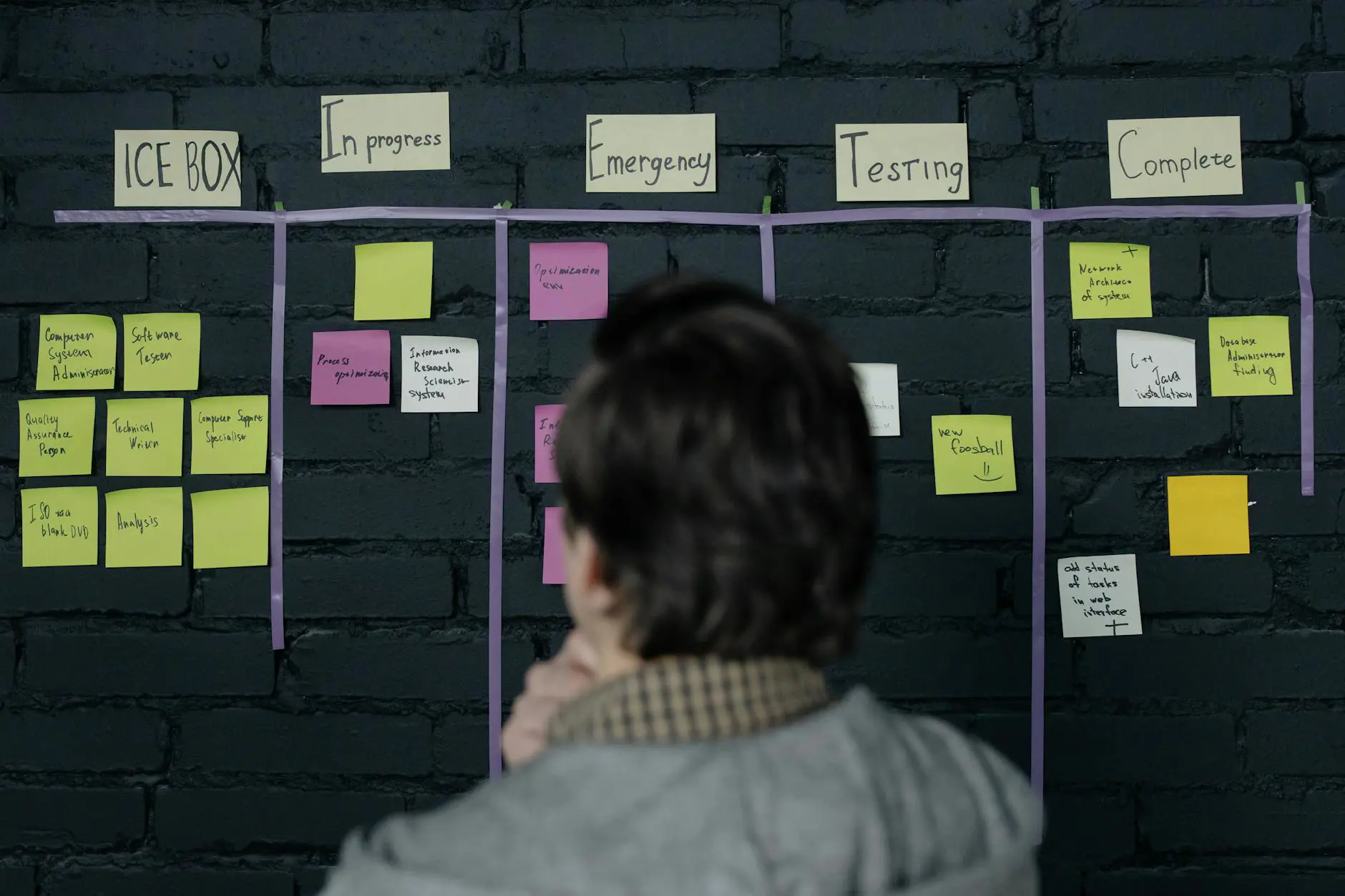
Kanban visualizes work as cards on a board with columns representing workflow stages (e.g., To Do, In Progress, Done). Unlike Scrum, Kanban doesn't use fixed-length sprints.
Key Principles
- Visualize work: Make all tasks and their status visible to the team
- Limit work in progress (WIP): Restrict how many items can be in each stage simultaneously
- Manage flow: Optimize the speed at which work moves through the system
- Continuous improvement: Regularly analyze and improve the process
When to Use Kanban
- Work arrives continuously rather than in planned batches
- The team handles support, maintenance, or operational tasks
- You need flexibility without the structure of sprints
- You want to improve an existing workflow incrementally
Lean
Lean project management, derived from Toyota's manufacturing system, focuses on delivering maximum value with minimum waste.
Core Concepts
- Eliminate waste: Remove activities that don't add value
- Build quality in: Prevent defects rather than fixing them later
- Create knowledge: Learn from every project and share insights
- Deliver fast: Shorten cycle times without sacrificing quality
- Respect people: Empower team members to make decisions
Hybrid Approaches
Many organizations combine elements from multiple methodologies to create hybrid approaches tailored to their needs:
- Scrumban: Combines Scrum's structure with Kanban's flow-based approach
- Water-Scrum-Fall: Uses Waterfall for planning and deployment with Scrum for development
- SAFe (Scaled Agile Framework): Applies Agile principles across large organizations with multiple teams
Comparison Table
| Aspect | Waterfall | Scrum | Kanban | Lean |
|---|---|---|---|---|
| Approach | Sequential | Iterative sprints | Continuous flow | Value-focused |
| Flexibility | Low | Medium | High | High |
| Planning | Upfront | Per sprint | Continuous | Just-in-time |
| Delivery | End of project | Every sprint | Continuous | As needed |
| Best For | Fixed scope | Product development | Operations/support | Manufacturing |
Choosing the Right Methodology
Ask these questions to guide your choice:
- How clearly defined are the requirements? Clear and stable requirements favor Waterfall; evolving requirements favor Agile
- How important is flexibility? If priorities shift frequently, choose Kanban or Scrum
- What is the team's experience? Teams new to Agile may start with Kanban before adopting Scrum
- How large is the project? Large, multi-team projects may need scaled frameworks like SAFe
- What does the customer expect? Frequent demos and feedback loops favor Agile approaches
At Ekolsoft, we use Agile and Scrum methodologies to deliver software projects in iterative sprints, ensuring our clients see progress early and often. Whatever methodology you choose, the key is consistent execution and continuous improvement based on real project data.


