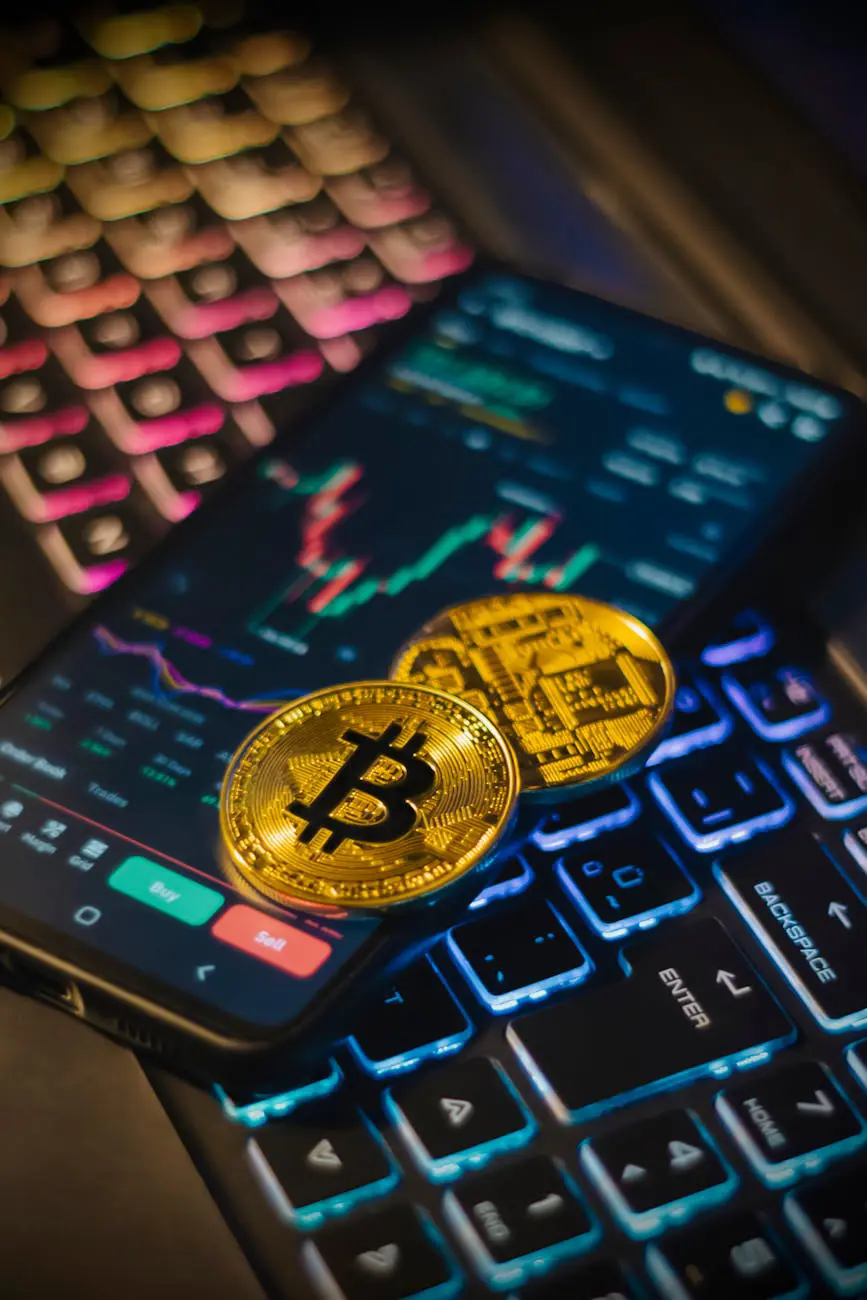
What is Bitcoin?
Bitcoin is the world's first decentralized digital currency, created in 2009 by a person or group known by the pseudonym Satoshi Nakamoto. Unlike traditional currencies, it is not controlled by any government, central bank, or financial institution. Bitcoin operates on a peer-to-peer network, enabling users to transfer value directly to each other without intermediaries.
As we enter 2026, Bitcoin has evolved far beyond the interest of technology enthusiasts and has become a significant component of the global financial ecosystem. The approval of spot Bitcoin ETFs, growing institutional investment, and countries establishing regulatory frameworks have all strengthened Bitcoin's legitimacy and mainstream acceptance.
How Does Blockchain Technology Work?
At the core of Bitcoin lies a revolutionary technology called blockchain. A blockchain is an immutable and transparent digital ledger where all Bitcoin transactions are recorded in chronological order. Understanding this technology is the first step to grasping how Bitcoin works.
Block Structure
Each block contains a collection of transactions that occurred within a specific time period. A block consists of the following components:
- Transaction data (sender, receiver, amount)
- Timestamp
- Hash value of the previous block
- Nonce (a random number used in the mining process)
- Merkle root hash value
The Principle of Decentralization
In traditional banking systems, all transactions are verified by a central server. In Bitcoin, this verification is performed by thousands of nodes distributed across the globe. This architecture eliminates the risk of a single point of failure and makes the system resistant to censorship and manipulation.
Cryptographic Security
Bitcoin employs advanced mathematical methods such as the SHA-256 hash algorithm and elliptic curve cryptography. Every transaction is verified through digital signatures, and once added to the blockchain, altering it becomes practically impossible. This cryptographic security layer is the cornerstone of Bitcoin's trustworthiness.
What is Bitcoin Mining?
Bitcoin mining is the process by which new Bitcoins are introduced into circulation and transactions are added to the blockchain. Miners use powerful computers to solve complex mathematical problems, a process known as the Proof of Work consensus mechanism.
The Mining Process
Mining operates through the following steps:
- Pending transactions on the network are collected in a pool called the mempool
- Miners assemble these transactions into a candidate block
- Billions of attempts are made to find a hash value that meets specific conditions
- The miner who finds the correct hash broadcasts the block to the network
- Other nodes verify the block and add it to the blockchain
- The successful miner earns the block reward and transaction fees
The Halving Mechanism
One of Bitcoin's most important features is the halving mechanism, which occurs approximately every four years. This mechanism cuts the block reward in half, gradually reducing the supply of new Bitcoin. The most recent halving in 2024 reduced the block reward to 3.125 BTC. The total supply is capped at 21 million Bitcoin, and this scarcity forms the foundation of Bitcoin's value proposition.
How to Choose a Bitcoin Wallet
Choosing a secure wallet before investing in Bitcoin is critically important. Wallets are software or hardware tools used to store and manage your Bitcoin. In reality, wallets do not store Bitcoin themselves; they safeguard the private keys that allow you to access your assets on the blockchain.
Hot Wallets
Hot wallets are connected to the internet and are suitable for everyday use. Mobile apps, desktop software, and web-based wallets fall into this category. They offer ease of use but are more vulnerable to cyberattacks due to their internet connectivity.
- Mobile wallets: Ideal for daily small transactions
- Desktop wallets: Offer greater control and features
- Web wallets: Provide access from anywhere
Cold Wallets
Cold wallets are isolated from the internet and represent the safest option for long-term storage. Hardware wallets (such as Ledger and Trezor) and paper wallets belong to this category. They are strongly recommended for investors holding large amounts of Bitcoin.
The golden rule in the cryptocurrency world: "Not your keys, not your coins." Always maintain control of your private keys. This simple principle can protect you from exchange failures, hacks, and other risks associated with entrusting your assets to third parties.
How to Buy and Sell Bitcoin
In 2026, buying Bitcoin has become significantly easier and more accessible compared to just a few years ago. However, choosing the right platform and implementing proper security measures remains essential.
Cryptocurrency Exchanges
Centralized exchanges (CEX) are the most commonly used platforms for buying and selling Bitcoin. Numerous licensed exchanges operate both locally and internationally. When selecting an exchange, pay attention to these criteria:
- Regulatory compliance and licensing status
- Security infrastructure and track record
- Trading fees and spread rates
- User interface and customer support quality
- Supported payment methods
Steps for Buying and Selling
- Create an account on a reputable exchange
- Complete the identity verification (KYC) process
- Deposit funds into your account using your preferred currency
- Purchase Bitcoin using a market order or limit order
- Transfer your purchased Bitcoin to your personal wallet for safekeeping
Bitcoin Investment Strategies
Making informed and strategic decisions when investing in Bitcoin is critical for long-term success. Here are investment strategies well-suited for beginners:
Dollar-Cost Averaging (DCA)
This strategy involves purchasing a fixed amount of Bitcoin at regular intervals, regardless of the market price. By making consistent purchases, you reduce the impact of price volatility on your overall investment. For example, you might invest a set amount every week or every month. DCA is particularly the safest approach for investors who lack experience in market timing.
The HODL Strategy
HODL (Hold On for Dear Life) is a strategy that involves holding Bitcoin for the long term. When examining Bitcoin's historical performance, it has demonstrated significant value appreciation over the long term despite short-term fluctuations. This strategy suits patient investors and helps avoid emotional decision-making driven by market panic or euphoria.
Risk Management
Risk management is vital in Bitcoin investment. Keep these principles in mind at all times:
- Never invest more than you can afford to lose
- Diversify your portfolio; do not commit all your savings to a single asset
- Make research-based decisions rather than emotional ones
- Be cautious of market manipulation and fake news
- Track your tax obligations and comply with legal requirements
The Future of Bitcoin: 2026 and Beyond
The Bitcoin ecosystem continues to evolve rapidly. In 2026, several noteworthy trends and developments stand out:
Institutional Adoption
Major corporations and financial institutions continue to add Bitcoin to their balance sheets and accept it as a payment method. Spot Bitcoin ETFs have greatly facilitated traditional investors' access to Bitcoin. This institutional interest contributes positively to Bitcoin's price stability and long-term value appreciation.
Lightning Network and Scaling
The Lightning Network, developed as a solution to Bitcoin's scaling challenges, enables instant and low-cost transactions. In 2026, adoption of the Lightning Network has increased significantly, making Bitcoin practical for everyday payments. This second-layer solution processes transactions off-chain while maintaining the security guarantees of the main Bitcoin blockchain.
Regulatory Framework
Governments worldwide are establishing clearer frameworks for regulating cryptocurrency markets. Many countries are developing balanced regulations that protect investors while encouraging innovation. This regulatory clarity creates a confidence-building environment for both individual and institutional investors, accelerating mainstream adoption.
Security Tips and Common Mistakes
Security is paramount when stepping into the world of Bitcoin. Here are critical points you need to be aware of:
- Always enable two-factor authentication (2FA) on all your accounts
- Store your private keys and recovery phrases securely in an offline location
- Be vigilant against phishing attacks and suspicious links
- Use only reputable and licensed platforms
- Approach projects promising excessively high returns with skepticism
- Keep your software and wallets up to date at all times
Investing in Bitcoin is a marathon, not a sprint. Be patient, continuously educate yourself, and never make investment decisions without conducting thorough research. Embrace the DYOR (Do Your Own Research) principle as your guiding philosophy.
Conclusion
Bitcoin is one of the most groundbreaking financial innovations of the digital age. In 2026, with its maturing ecosystem, increasing institutional interest, and advancing infrastructure, Bitcoin has become an integral part of global finance. For beginners, the most important steps are learning the fundamental concepts, choosing a secure wallet, starting with small amounts, and continuously acquiring knowledge.
Remember, every investment decision carries risk. Bitcoin's volatile nature presents both opportunities and risks. By adopting an informed, research-driven, and strategic approach, you can take advantage of the opportunities offered by this exciting technology while managing potential downsides effectively.


