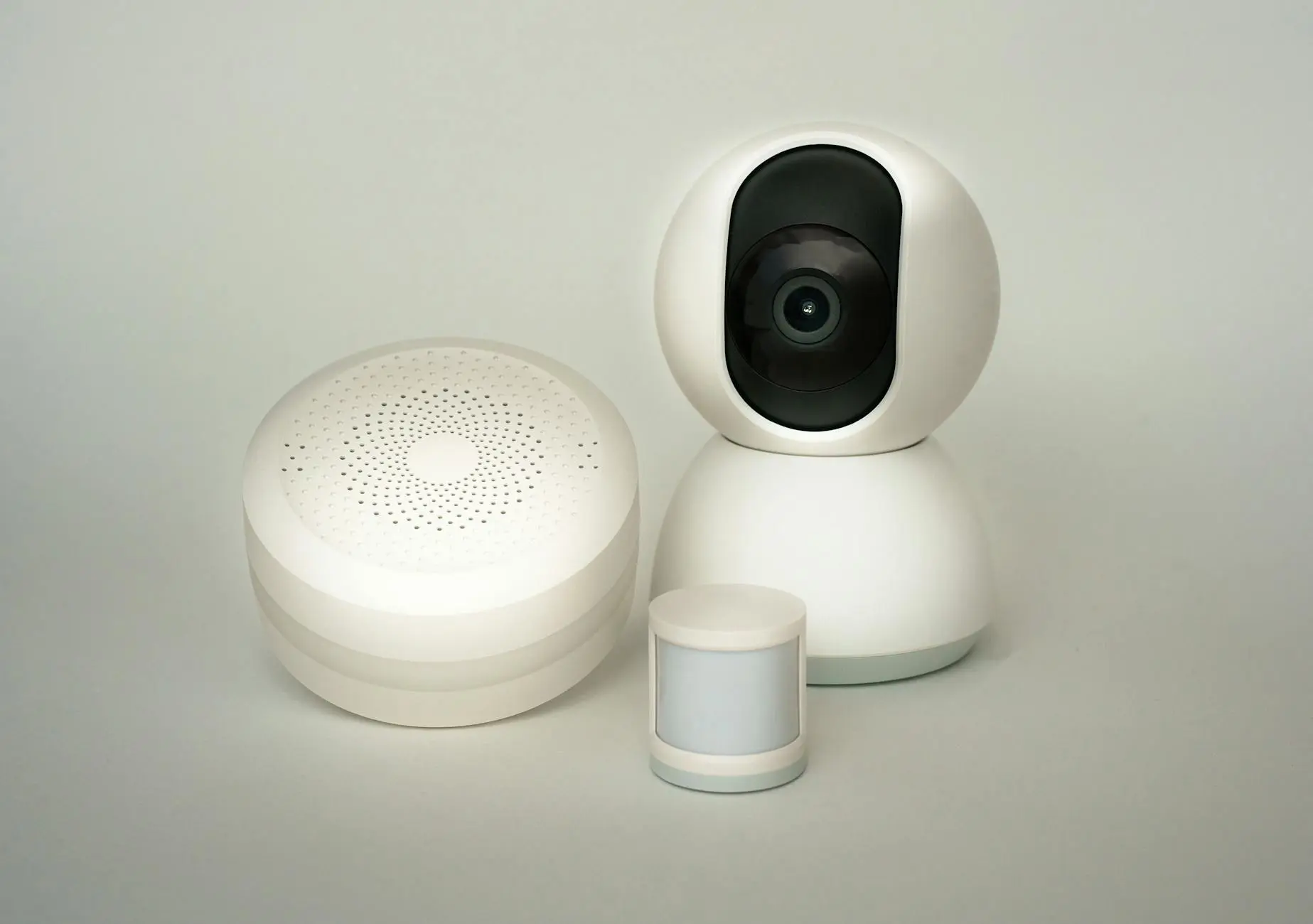
How Is AI Transforming Home Automation?
Our homes are no longer just four walls; thanks to artificial intelligence technologies, our living spaces are becoming smart environments that communicate with us, anticipate our needs, and maximize our comfort. As of 2026, more than 500 million households worldwide use at least one smart home device, and this number is growing rapidly each year.
AI-powered home automation has moved far beyond simple remote control functionality. Today's smart home systems learn user habits, analyze environmental data, and make proactive decisions to save energy, enhance security, and simplify daily life. In this guide, we will explore every dimension of AI-driven home automation.
Smart Assistants: The Digital Brain of Your Home
At the heart of the smart home ecosystem are voice assistants. Amazon Alexa, Google Home (Google Assistant), and Apple Siri serve as the digital brain of your home, allowing you to manage all connected devices from a single point.
Amazon Alexa
Amazon Alexa stands out as one of the assistants with the broadest third-party device support. Compatible with over 200,000 smart home devices, Alexa offers a constantly expanding pool of capabilities through add-ons called "Skills." The Routines feature allows you to trigger multiple actions with a single voice command. For example, saying "Alexa, good morning" can gradually turn on the lights, start the coffee machine, and read the day's weather forecast.
Google Home and Google Assistant
Google Assistant stands out with its superiority in natural language processing. Its ability to understand complex questions and provide contextual responses makes it an extremely practical assistant for daily use. Thanks to Google's AI infrastructure, it offers a continuously learning and evolving experience. Working seamlessly with the Nest ecosystem, it manages devices such as thermostats, cameras, and doorbells flawlessly.
Apple Siri and HomeKit
Apple's HomeKit platform distinguishes itself with its privacy-focused approach. All data is processed locally and uses end-to-end encryption. For users within the Apple ecosystem, Siri provides a seamless smart home experience across iPhone, iPad, Apple Watch, and HomePod. The "HomeKit Secure Video" feature analyzes security camera footage locally to preserve privacy while providing intelligent notifications.
Smart Home Devices and Categories
The smart home ecosystem encompasses a wide range of devices that touch every aspect of daily life. Here are the key categories and standout devices:
Smart Lighting
Smart bulbs and lighting systems are the most popular starting point for entering home automation. Brands like Philips Hue, LIFX, and Xiaomi offer solutions that automatically adjust color temperature and brightness, adapt to the daylight cycle, and create ambiance based on your mood. AI-powered lighting systems learn which rooms you use at what times and manage lights automatically.
Smart Thermostats
Smart thermostats like the Google Nest Learning Thermostat and Ecobee use AI algorithms to optimize heating and cooling schedules. These devices learn the routines of household members, saving energy when no one is home and ensuring the ideal temperature before anyone returns. Research shows that smart thermostats provide energy bill savings of between 10 and 25 percent.
Robot Vacuums and Smart Cleaning
Robot vacuums from brands like iRobot Roomba, Roborock, and Ecovacs learn your home through AI-powered mapping and navigation technologies. Using LiDAR sensors and computer vision, they can maneuver precisely around furniture, detect dirty areas, and perform priority cleaning. The latest models also feature pet hair detection and automatic mopping capabilities.
Smart Home Security Systems
Artificial intelligence has taken home security to an entirely new level. Traditional alarm systems are being replaced by proactive and intelligent security solutions.
AI-Powered Security Cameras
Modern security cameras go beyond simple motion detection by performing image analysis with AI. These cameras can distinguish between humans, animals, and vehicles, sending alerts only for real threats and largely eliminating the false alarm problem. With facial recognition, they identify family members and send notifications only when unknown individuals are detected.
Smart Door Locks and Video Doorbells
Smart door locks eliminate the need to carry keys by offering door access through fingerprint, facial recognition, PIN code, or smartphone. Video doorbells like Ring and Google Nest Doorbell let you see visitors and communicate with them no matter where you are in the world. AI can recognize regular delivery personnel and send differentiated notifications.
Integrated Security Ecosystems
Devices such as door and window sensors, smoke detectors, water leak sensors, and glass break detectors communicate with each other through an AI hub. When an unusual situation is detected, the system can automatically turn on lights, activate cameras, and send emergency notifications.
Energy Management and Sustainability
AI-powered energy management is one of the most valuable advantages of smart homes, both environmentally and financially.
Smart Energy Monitoring
Smart meters and energy monitoring devices track your home's energy consumption in real time. AI algorithms analyze consumption patterns to identify waste points and offer energy-saving recommendations. You can see detailed reports of how much energy each device consumes and remotely turn off devices in standby mode.
Solar Energy Integration
Smart home systems work in tandem with solar panels and energy storage solutions to increase energy independence. AI uses weather forecasts to predict solar energy production and optimizes energy usage accordingly. Stored energy is used during peak electricity pricing hours, while grid energy is preferred during low-price periods.
Smart Plugs and Power Strips
Smart plugs are the most cost-effective way to make your existing devices intelligent. With scheduling, energy monitoring, and remote control features, these devices reduce standby energy consumption to zero, resulting in significant annual savings.
The Matter Protocol: A Universal Language for Smart Homes
One of the biggest challenges in the smart home world has been the incompatibility between devices from different manufacturers. The Matter protocol is an open-source standard created by technology giants including Apple, Google, Amazon, and Samsung to solve this problem.
What Is Matter and Why Does It Matter?
Matter creates a universal communication language between smart home devices. Thanks to this protocol, any Matter-compatible device can work seamlessly with other Matter devices regardless of brand. Consumers no longer have to worry about ecosystem compatibility when purchasing devices.
Technical Advantages of Matter
- Local operation: Devices communicate over the local network without needing cloud connectivity, resulting in faster response times and higher reliability.
- Strong security: End-to-end encryption and device authentication mechanisms keep security at the highest level.
- Multi-platform support: The same device can work simultaneously with Alexa, Google Home, and HomeKit.
- Thread network support: A low-power, self-healing mesh network structure provides broader coverage and reliable connectivity.
Key Considerations for Smart Home Setup
Proper planning when setting up a smart home system forms the foundation for a successful experience. Here are the important points to consider:
Network Infrastructure
A strong and reliable Wi-Fi network is essential for any smart home. For a network that will connect numerous devices, choose a mesh router system that supports Wi-Fi 6 or Wi-Fi 7. Ensure strong signal coverage in every room and enhance security by creating a separate network segment for IoT devices.
Privacy and Security
Since smart home devices continuously collect data, being conscious about privacy is critically important. Regularly update your devices' firmware, use strong and unique passwords, and enable two-factor authentication. Review data sharing policies to understand what data is collected and how it is used.
A Gradual Transition Strategy
When transitioning to a smart home, adopting a gradual approach rather than installing everything at once is more practical. Start with a smart assistant and a few basic devices. As you use the system, you will better understand your needs and make the right investment decisions.
- Start with a smart speaker or display-equipped assistant
- Add smart lighting to experience basic automation
- Begin saving energy with a smart thermostat
- Strengthen protection with security devices
- Create advanced automation scenarios
The Future of Smart Homes with AI
As artificial intelligence technologies continue to advance rapidly, the future of smart homes is being shaped by exciting innovations. Large language models (LLMs) and generative AI are equipping smart assistants with much more natural and contextual conversational abilities. Assistants that can understand complex requests, manage multi-step tasks, and offer proactive suggestions are now entering our lives.
The ambient computing vision promises a future where technology recedes into the background and our homes silently meet our needs. Wall-integrated displays, invisible speakers, and environmental sensors will naturally blend technology into living spaces. Health monitoring sensors, sleep quality tracking, and fall detection for elderly care will transform smart homes into health assistants.
AI-powered smart home systems are not merely a technology trend; they represent the standard way of living for the future in terms of energy efficiency, security, and quality of life.
Conclusion
AI-driven home automation is fundamentally transforming our daily lives. Smart assistants, security systems, energy management solutions, and standards like the Matter protocol enable us to create more comfortable, secure, and sustainable living spaces. Investing in smart home technologies is a wise step for both today's comfort and tomorrow's values.
If you want to start your smart home journey or improve your existing system, contact us to discover the solutions best suited to your needs. Our expert team will guide you in transforming your home into the intelligent living space of the future.