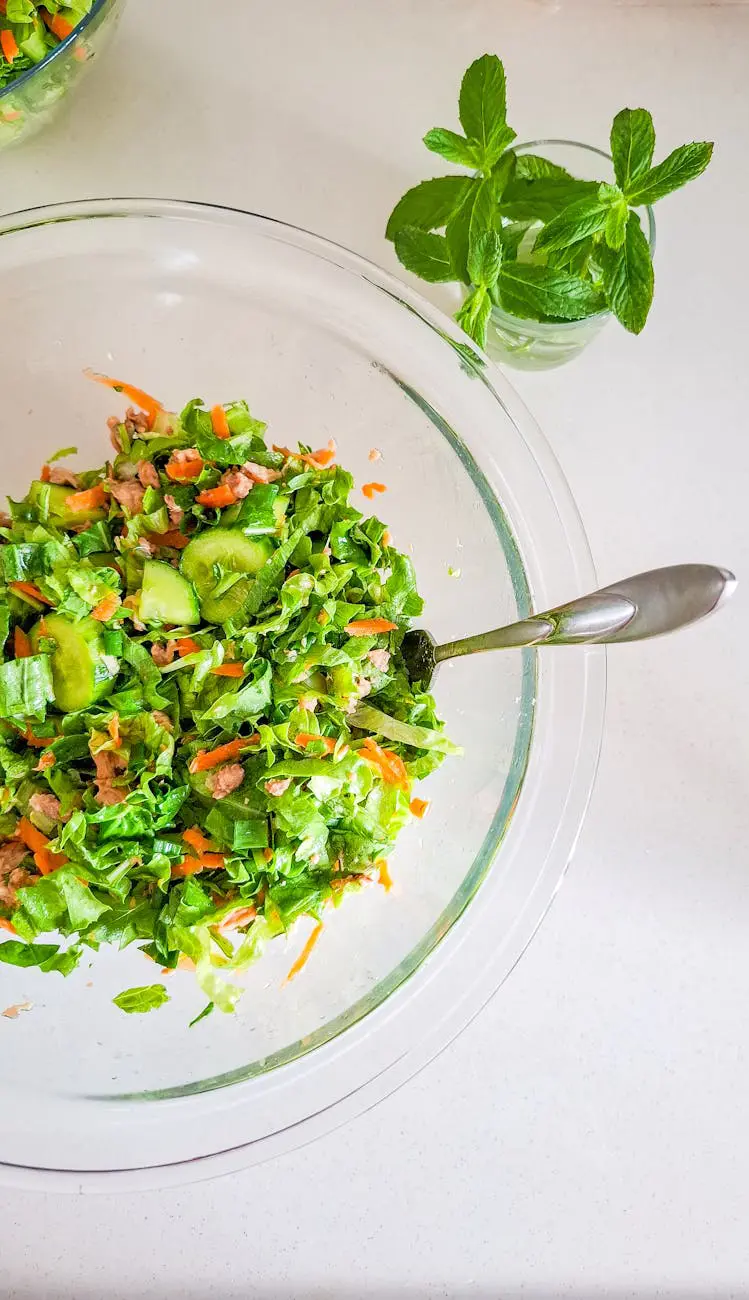
Artificial Intelligence Enters the Kitchen
As artificial intelligence permeates every aspect of our lives, the world of cooking and nutrition is undergoing its own transformation. Instead of spending hours pondering "What should I cook tonight?", you can now use AI-powered tools to generate personalized recipes in seconds, create weekly diet plans, and reach your nutrition goals more efficiently than ever before.
All it takes is listing the ingredients in your fridge, specifying your allergies, or entering your calorie target. AI does the rest, crafting the most suitable recipes and meal plans for you. In this article, we will explore the world of AI-powered recipe generation and diet planning in all its dimensions.
How Does AI Recipe Generation Work?
AI-powered recipe generation systems learn flavor profiles, ingredient compatibility, and cooking techniques by analyzing millions of recipes. Based on user inputs, they produce new and original recipes. Natural language processing (NLP) and machine learning algorithms work together throughout this process.
The fundamental working principle consists of the following steps:
- The user specifies available ingredients, dietary preferences, or cuisine type
- The AI model creates suitable combinations using patterns learned from vast recipe databases
- Nutritional values are calculated and checked for alignment with the user's goals
- Step-by-step cooking instructions are presented along with timing and serving information
Best AI Recipe Generation Tools
Creating Recipes with ChatGPT
OpenAI's ChatGPT delivers remarkably successful results in recipe generation. You can write natural language requests such as "I have chicken breast, broccoli, and red pepper in my fridge. Suggest a low-calorie Mediterranean dish" and receive detailed recipes in return. ChatGPT's strength lies in its ability to understand context and adapt recipes according to allergies, dietary restrictions, and personal preferences.
Here are some tips for using ChatGPT as your recipe assistant:
- List your available ingredients as thoroughly as possible
- Clearly state your dietary restrictions (gluten-free, lactose-free, vegan, etc.)
- Mention time constraints if your cooking window is limited
- Specify serving sizes and calorie targets
Google Whisk
Google's Whisk is a visual-based AI recipe tool. Simply take a photo of the ingredients in your fridge, and Whisk uses image recognition technology to identify them and suggest recipes you can make. It can also draw inspiration from different culinary cultures to offer creative combinations that you might never have considered on your own.
Mealime
Mealime stands out particularly in weekly meal planning. Once you set your dietary preferences, allergies, and family size, it creates customized weekly menus tailored to your needs. Its automatic grocery list generation and step-by-step visual recipe guides are among its most beloved features.
Key features of Mealime include:
- Personalized weekly menu plans
- Automatic grocery list creation
- Step-by-step visual recipe guides
- Nutritional analysis and calorie tracking
- Support for vegetarian, vegan, paleo, and other dietary options
Supercook
Supercook is one of the most successful implementations of the "recipes from what you have" concept. Simply check off the ingredients in your kitchen, and the app filters through thousands of recipes to find those that can be made with your available ingredients. Its AI algorithm analyzes ingredient compatibility and ranks the most delicious combinations at the top.
AI-Powered Diet Planning Tools
MyFitnessPal AI
MyFitnessPal is a pioneer among calorie and nutrition tracking apps, and its AI integration has made it significantly more powerful. With the AI-powered barcode scanning feature, simply scan a product's barcode and its nutritional values are instantly analyzed. You can also take food photos for automatic calorie estimation.
Features offered by MyFitnessPal AI:
- Automatic food recognition and calorie calculation from photos
- Daily macro-nutrient recommendations based on personal goals
- AI-powered nutrition advice based on eating habits
- Database of over 18 million food items
- Exercise integration for net calorie calculation
Noom
Noom is an AI-powered platform that approaches diet planning through a psychology-based lens. It analyzes not just what you eat, but why you eat it. Using behavioral change techniques, it helps you develop lasting nutrition habits. The AI coach analyzes your daily nutrition data and provides personalized recommendations.
What sets Noom apart is its color-coding system that classifies foods into green, yellow, and red categories. This system enables users to quickly assess the nutrient density of foods and encourages healthier choices without the need for constant calorie counting.
Eat This Much
Eat This Much is a fully automated diet planning tool. When you enter your calorie target, macro-nutrient distribution, and dietary preferences, the AI creates detailed meal-by-meal nutrition plans for you. Each meal comes with a recipe, portion sizes, and comprehensive nutritional information. Its weekly grocery list feature also helps with budget planning.
Personalized Nutrition with AI
The greatest advantage of AI in nutrition is personalization. While traditional diet programs offer the same plan to everyone, AI-powered systems take each individual's unique needs into account.
Factors considered by AI-powered personalized nutrition:
- Basic biometric data such as age, gender, height, and weight
- Activity level and exercise routine
- Food allergies and intolerances
- Cultural and religious dietary preferences
- Goals such as weight loss, weight gain, or muscle building
- Current health status and chronic conditions
- Budget constraints and local food availability
AI systems that analyze these data points can offer data-driven and continuously learning nutrition plans that go beyond traditional dietitian approaches. Of course, these tools do not replace a professional dietitian, but they provide powerful support in your daily nutrition decisions.
Smart Kitchen Ecosystem and AI Integration
AI recipe and diet planning tools reach their true potential when integrated with smart kitchen appliances. Smart refrigerators can automatically track the ingredients inside, suggest recipes that prioritize products nearing their expiration dates, and even place automatic orders for missing ingredients.
Smart ovens and stovetops can automatically adjust temperature and timing based on instructions from AI recipes. This integration makes cooking both easier and more consistent. Multi-functional kitchen robots like Thermomix can also work with AI recipe platforms to execute recipes automatically.
AI's Role in Reducing Food Waste
Approximately one-third of all food produced globally goes to waste. AI-powered recipe and planning tools are offering solutions to this problem as well. The ability to suggest recipes based on ingredients already in your fridge prevents unnecessary shopping and keeps food from ending up in the trash.
AI-powered nutrition planning is an important step not just for your health, but for the future of our planet. Through personalized shopping lists and smart recipe suggestions, it is possible to reduce food waste by up to 30 percent.
Limitations and Considerations of AI Nutrition Tools
While AI-powered nutrition tools are powerful and practical, they do have certain limitations. Here are key points to keep in mind when using these tools:
- AI tools are not a substitute for medical advice; always consult a dietitian or doctor for serious health conditions
- Nutritional values in recipe suggestions may be estimates; professional analysis may be needed for precise results
- AI systems learn from existing data and may have gaps in cultural or regional cuisines
- Since personal data sharing is involved, choose trustworthy applications with transparent privacy policies
- Do not hesitate to adapt AI suggestions to your own palate and intuition
The Future of AI and Nutrition: What to Expect
Developments in artificial intelligence and nutrition continue at a rapid pace. Here are some trends we can expect in the near future:
- Hyper-personalized nutrition plans based on blood tests and DNA analysis
- Real-time blood sugar monitoring through wearable devices with instant nutrition recommendations
- Interactive cooking guides using augmented reality (AR)
- AI-designed meals produced by 3D food printers
- Personalized probiotic and prebiotic recommendations based on gut microbiome analysis
- Recipe suggestions with carbon footprint calculations for sustainable eating
As these technologies mature, AI-powered nutrition will evolve from being merely a convenience tool to becoming an integral part of health management.
Conclusion: Take a Step Toward a Healthier Life with AI
AI-powered recipe generation and diet planning tools are making healthy eating more accessible, easier, and more enjoyable for everyone. Whether you are trying to lose weight, build muscle, or simply discover new flavors in the kitchen, AI tools offer you powerful support.
You can create creative recipes with ChatGPT, plan your weekly menu with Mealime, automate your calorie and nutrient tracking with MyFitnessPal AI, and develop behavioral nutrition habits with Noom. The key is to explore these tools according to your own needs and integrate them into your daily routine.
Embrace artificial intelligence on your healthy eating journey and see the difference for yourself. Follow our other articles on technology and nutrition to stay up to date with the latest developments.