The Rise of Audio Marketing
Audio content is experiencing a renaissance. Over 500 million people listen to podcasts regularly, voice assistants handle billions of queries monthly, and audio-first platforms like Spotify, Clubhouse, and Twitter Spaces have normalized voice-based interaction. For marketers, audio represents an intimate, high-engagement channel that reaches audiences during moments when visual content cannot—commutes, workouts, household tasks, and walks.
Audio marketing encompasses any strategy that uses sound to communicate brand messages, educate audiences, or drive business results. This guide explores the full spectrum of audio marketing opportunities, from launching a podcast to optimizing for voice search.
Why Audio Engages Differently
Audio creates a unique psychological connection with listeners:
- Intimacy — A voice in your earbuds feels personal and conversational, building parasocial relationships.
- Multitasking compatibility — Audio is consumed alongside other activities, capturing attention that visual media cannot reach.
- Long-form tolerance — Podcast listeners routinely engage for 30-60 minutes, far exceeding attention spans for video or text.
- Trust building — Consistent voice presence builds familiarity and trust over time.
- Low production barrier — Quality audio content requires less production infrastructure than video.
Podcasting: The Core Channel
Launching a Podcast
A successful podcast launch requires strategic planning:
- Define your niche — The more specific your topic, the easier it is to attract a dedicated audience.
- Choose a format — Interview, solo commentary, panel discussion, narrative storytelling, or hybrid.
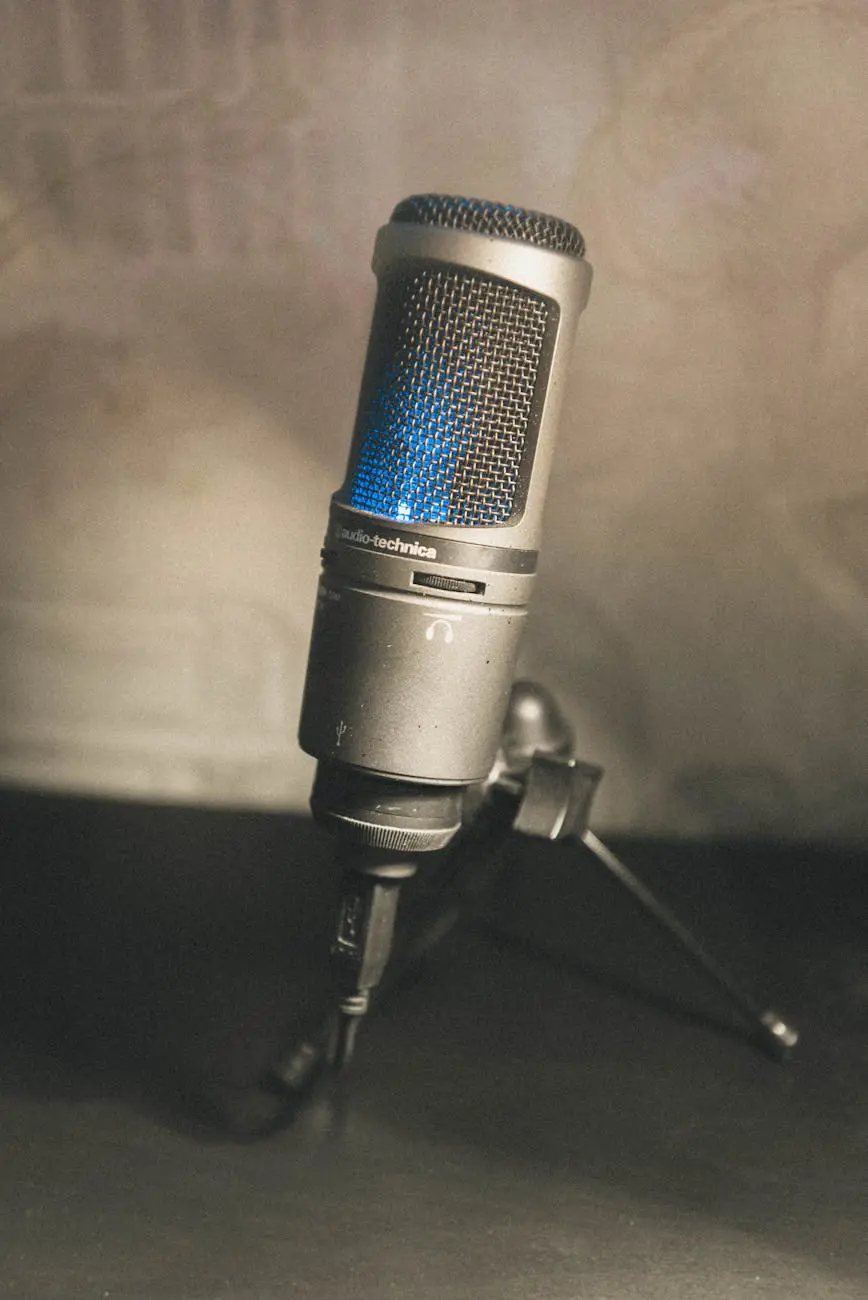
- Invest in audio quality — A decent USB microphone, quiet recording space, and basic editing produce professional results.
- Plan your content calendar — Batch-record episodes and maintain a consistent publishing schedule.
- Select a hosting platform — Buzzsprout, Transistor, Anchor, or Podbean distribute to all major directories.
- Launch with multiple episodes — Publish 3-5 episodes at launch to give new listeners enough content to become subscribers.
Growing Your Audience
- Cross-promote with guests — Invite guests who will share episodes with their own audiences.
- Repurpose audio — Create audiograms, blog summaries, quote graphics, and video clips from each episode.
- Optimize for discovery — Use keyword-rich titles and descriptions for podcast directory search.
- Engage listeners — Ask questions, encourage reviews, and build a community around the show.
- Paid promotion — Use podcast advertising networks and social ads to reach new listeners.
Podcast Monetization
| Model | How It Works | Best For |
|---|---|---|
| Sponsorships | Brands pay for ad reads during episodes | Shows with 5,000+ downloads per episode |
| Premium content | Paid subscriptions for exclusive episodes | Shows with loyal, engaged communities |
| Affiliate marketing | Earn commissions on products recommended | Niche shows with buying-intent audiences |
| Lead generation | Drive listeners to products or services | B2B companies using podcasts for thought leadership |
| Live events | Ticket sales for live podcast recordings | Shows with strong local or community following |
Beyond Podcasts: Other Audio Channels
Voice Search Optimization
With voice assistants handling an increasing share of search queries, optimizing for voice search is essential. Voice queries tend to be conversational and question-based. Optimize by:
- Creating FAQ content that answers specific questions directly.
- Using natural language in content rather than keyword-stuffed phrases.
- Structuring content with featured snippet-friendly formatting.
- Ensuring fast page load times and mobile optimization.
Audio Ads
Programmatic audio advertising on Spotify, Pandora, and podcast networks reaches listeners in screen-free moments. Audio ads achieve higher completion rates than video ads because listeners cannot scroll past them. They work best for brand awareness and top-of-funnel campaigns.
Audio Social Media
Platforms like Twitter Spaces and LinkedIn Audio Events enable real-time voice conversations with audiences. These formats combine the intimacy of audio with the engagement of live interaction, creating opportunities for thought leadership, Q&A sessions, and community building.
Voice Experiences
Custom Alexa Skills and Google Actions create branded voice experiences. While adoption has been slower than predicted, voice apps work well for utility-focused use cases like order tracking, appointment booking, and quick information retrieval.
Audio marketing is not about replacing visual content—it is about reaching your audience in moments and mindsets where screens cannot follow.
Audio Content Production
Quality audio production does not require a professional studio. Essential equipment and practices include:
- Microphone — A USB condenser microphone (Audio-Technica ATR2100, Blue Yeti) delivers broadcast-quality audio under $150.
- Recording environment — A quiet room with soft furnishings that absorb echo. Closets filled with clothes work surprisingly well.
- Editing software — Audacity (free), GarageBand (Mac), or Descript (AI-powered) handle editing, noise removal, and mixing.
- Show notes and transcripts — AI transcription services create text versions for accessibility and SEO.
Measuring Audio Marketing Success
Audio metrics differ from web analytics. Key performance indicators include:
- Downloads and streams — Total consumption of each episode or audio asset.
- Completion rate — Percentage of listeners who finish the entire episode.
- Subscriber growth — New followers added per week or month.
- Review and ratings — Social proof that influences discovery algorithms.
- Attribution — Use unique URLs, promo codes, or post-listen surveys to track downstream conversions.
Ekolsoft integrates audio marketing analytics into broader digital dashboards, giving marketing teams a unified view of how audio content contributes to lead generation and customer acquisition alongside other channels.
Building an Audio Strategy
An effective audio marketing strategy aligns with your broader content plan. Ekolsoft recommends starting with a single audio format—typically a podcast—building consistency and audience, then expanding into voice search optimization and audio advertising as competence and resources grow.
Conclusion
Audio marketing offers a unique combination of intimacy, engagement, and accessibility that other content formats cannot replicate. From podcasts that build thought leadership to voice search that captures high-intent queries, audio channels deserve a dedicated place in every modern marketing strategy. Start with quality content, maintain consistency, and let the compounding power of a growing listener base drive long-term marketing results.


