What Is ConTech and Why Does It Matter?
ConTech — short for Construction Technology — refers to the suite of digital tools, software platforms, and hardware innovations that are modernizing the construction industry. For decades, construction has been one of the least digitized sectors in the global economy. That is changing rapidly as builders, developers, and contractors embrace technology to improve efficiency, reduce costs, and deliver safer projects.
The global construction industry is worth over $13 trillion annually, yet productivity growth has averaged just 1% per year over the past two decades. ConTech represents the industry's best opportunity to close this gap and meet growing demands for sustainable, affordable infrastructure.
Core Technologies Driving the ConTech Revolution
Building Information Modeling (BIM)
BIM is the backbone of modern construction technology. It creates intelligent 3D models that contain detailed information about every component of a building — from structural elements and mechanical systems to materials specifications and cost data. BIM enables architects, engineers, and contractors to collaborate on a single source of truth throughout the project lifecycle.
- Clash detection: BIM identifies conflicts between structural, mechanical, and electrical systems before construction begins
- Cost estimation: Integrated quantity takeoffs provide accurate budget projections directly from the model
- Schedule simulation: 4D BIM adds time as a dimension, allowing teams to visualize construction sequences
- Facility management: BIM models serve as digital twins for ongoing building operations and maintenance
Drones and Aerial Surveying
Unmanned aerial vehicles have become essential tools on construction sites. Drones capture high-resolution imagery, generate topographic maps, monitor progress, and inspect hard-to-reach areas — all at a fraction of the cost and time required by traditional surveying methods.
| Application | Traditional Method | Drone-Based Method |
|---|---|---|
| Site Survey | 2 - 5 days | 2 - 4 hours |
| Progress Monitoring | Weekly manual walks | Daily automated flights |
| Roof Inspection | Scaffolding required | 15-minute flight |
| Volumetric Measurement | Manual calculation | Automated point cloud analysis |
Robotics and Autonomous Equipment
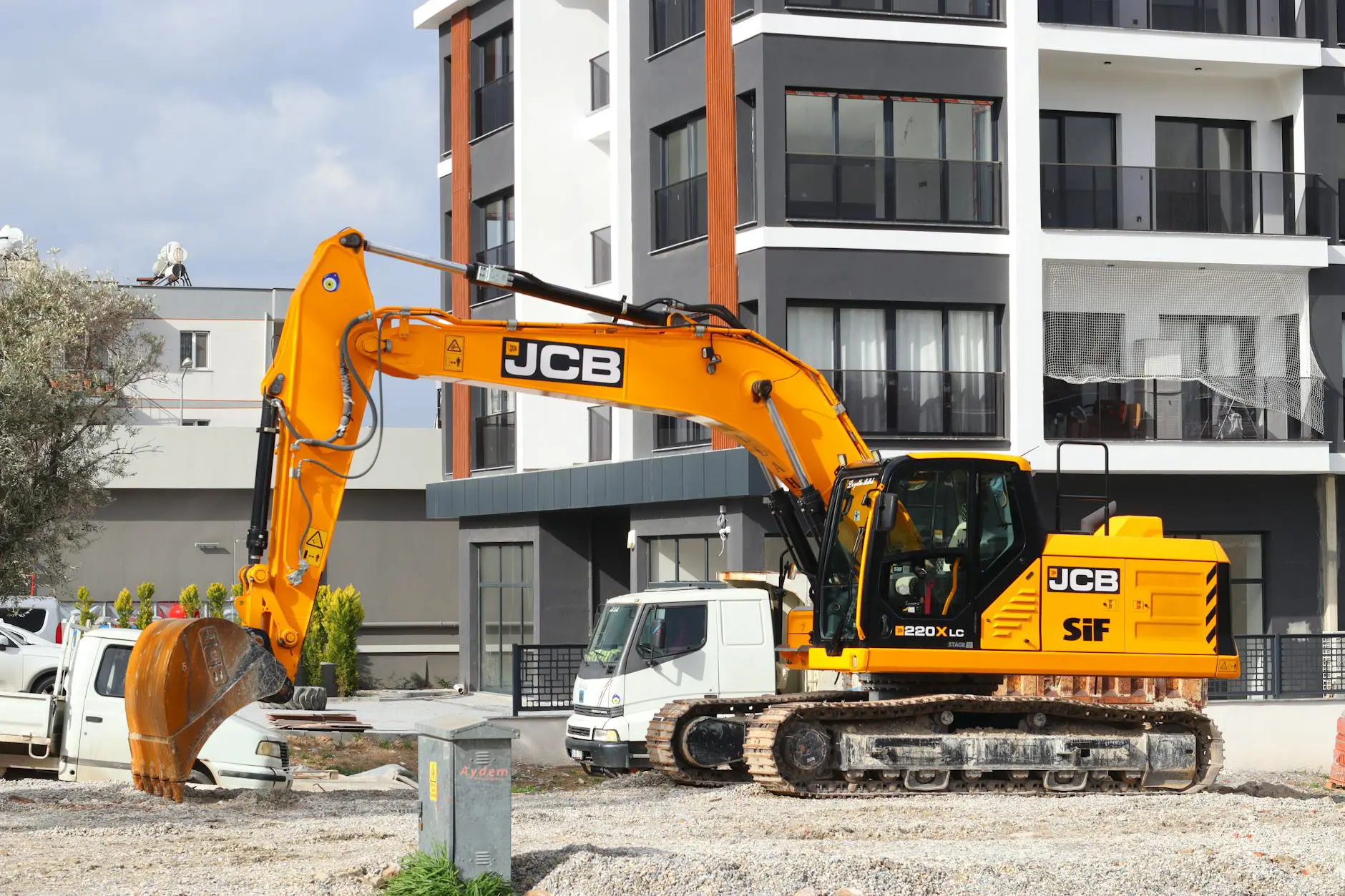
Construction robotics is moving from experimental to practical. Bricklaying robots, autonomous excavators, and 3D concrete printers are now deployed on commercial projects. These machines work alongside human workers, handling repetitive, dangerous, or precision-demanding tasks.
IoT Sensors and Smart Site Management
Internet of Things sensors embedded throughout construction sites provide real-time data on environmental conditions, equipment utilization, worker safety, and material inventory. This data feeds into centralized dashboards that give project managers unprecedented visibility into site operations.
- Environmental monitoring: Track temperature, humidity, noise levels, and air quality
- Equipment telematics: Monitor fuel consumption, operating hours, and maintenance schedules
- Safety wearables: Detect worker fatigue, proximity to hazards, and fall incidents
- Material tracking: RFID and GPS tags ensure materials are where they need to be
Software Platforms Transforming Construction Management
Modern construction projects rely on integrated software platforms that connect planning, execution, and closeout phases. These platforms replace fragmented spreadsheets and paper-based workflows with centralized digital systems.
Project Management and Collaboration
Cloud-based project management tools enable real-time collaboration among distributed teams. Document management, RFI tracking, submittal workflows, and punch list management all happen within unified platforms that maintain complete audit trails.
Estimating and Preconstruction
AI-powered estimating tools analyze historical project data to generate more accurate cost projections. These platforms learn from past bids, identify cost patterns, and flag potential budget risks before they become problems.
The construction industry loses approximately $177 billion annually due to miscommunication and rework. Digital collaboration platforms can reduce these losses by up to 50% through better information sharing and coordination.
Digital Twins in Construction
Digital twin technology creates virtual replicas of physical buildings and infrastructure. These living models are continuously updated with real-time sensor data, enabling operators to monitor performance, predict maintenance needs, and simulate the impact of design changes before implementing them.
Ekolsoft develops custom digital twin platforms that integrate BIM data, IoT sensor feeds, and analytics dashboards into unified systems. These solutions help construction and facility management companies unlock the full value of their digital investments.
Prefabrication and Modular Construction
Off-site construction methods are gaining momentum as the industry seeks faster project delivery and higher quality control. Prefabricated components are manufactured in controlled factory environments and assembled on-site, reducing construction timelines by 30-50% compared to traditional methods.
Technology plays a critical role in modular construction through automated manufacturing systems, precise digital fabrication, and logistics platforms that coordinate the delivery and assembly of prefabricated modules.
Sustainability and Green Building Technology
Environmental regulations and client demands are pushing the construction industry toward sustainable practices. ConTech solutions support sustainability through energy modeling software, lifecycle assessment tools, waste tracking systems, and smart building technologies that optimize resource consumption during operations.
- Energy simulation: Predict building energy performance during the design phase
- Material passports: Document the environmental impact and recyclability of every building component
- Waste management platforms: Track construction waste streams and diversion rates
- Smart building systems: Automate HVAC, lighting, and water management for optimal efficiency
Challenges in ConTech Adoption
Despite its promise, ConTech adoption faces several barriers. The construction industry's fragmented structure, thin profit margins, and workforce resistance to change create challenges that technology alone cannot solve. Successful digital transformation requires leadership commitment, workforce training, and careful change management.
Selecting the right technology partner is equally important. Ekolsoft works with construction companies to evaluate their digital maturity, identify high-impact technology opportunities, and implement solutions that deliver measurable returns on investment.
The Future of Construction Technology
The convergence of AI, robotics, IoT, and advanced materials is setting the stage for a construction industry that is smarter, faster, and more sustainable. Companies that embrace ConTech today will be better positioned to win projects, attract talent, and deliver exceptional results in the years ahead.


