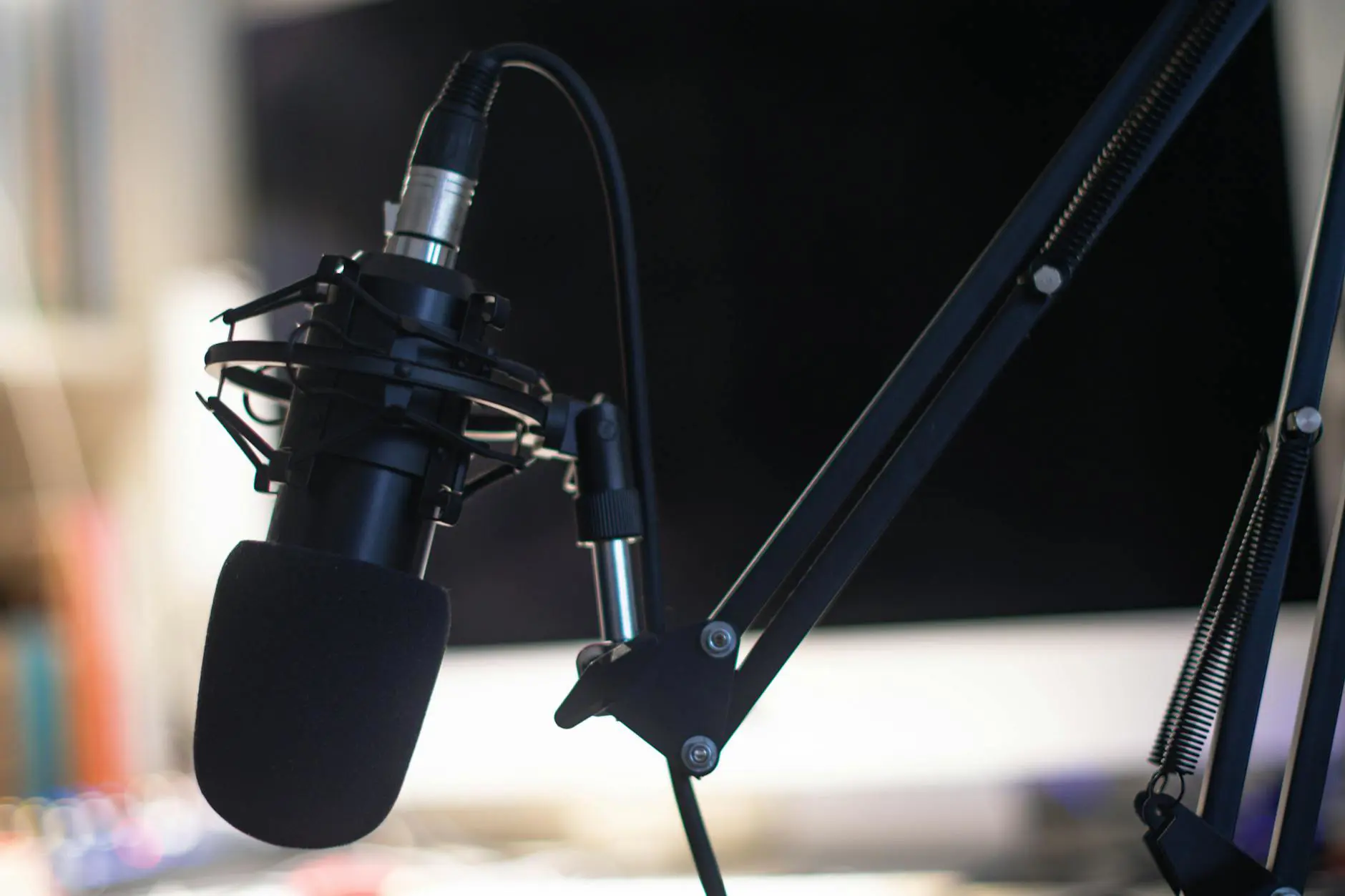
The AI Revolution in Podcasting
Podcasting has become one of the fastest-growing content formats in recent years. However, producing a quality podcast is a demanding process that involves recording, editing, transcription, and distribution. This is precisely where artificial intelligence steps in. With AI-powered tools, every stage of the podcast production process becomes faster, easier, and more professional.
In this comprehensive guide, we will explore how AI is being used in the podcasting world, which tools stand out, and how you can get the most out of these technologies.
AI-Powered Transcription: Turn Your Voice into Text
Podcast transcription is one of the most effective ways to increase your content's accessibility and boost your SEO performance. AI-powered transcription tools convert speech to text in real time, reducing hours of manual work to just minutes.
Modern AI transcription systems do far more than simply convert speech to text. They distinguish between speakers, place punctuation correctly, and can even recognize content in different languages. This provides tremendous convenience for multilingual podcast creators.
Top AI Tools for Transcription
- Descript: A powerful transcription tool that can separate speakers, add word-level timestamps, and enables audio editing directly through text manipulation.
- Whisper (OpenAI): This open-source and free model can transcribe in over 90 languages with high accuracy rates across a wide range of languages.
- Riverside: Offers real-time transcription during recording, speeding up the editing process and automatically generating episode notes.
To improve transcription quality, it is essential to make clean audio recordings, minimize background noise, and pay attention to microphone distance. No matter how powerful the AI, raw audio quality directly affects the output.
Audio Enhancement and Noise Reduction
Audio quality is vital for a professional podcast. For podcasters recording from home, background noise, echo, and volume inconsistencies are common issues. AI-powered audio enhancement tools solve these problems with just a few clicks.
How AI Audio Enhancement Works
AI models are trained on millions of audio samples to learn how to distinguish the human voice from background noise. These models detect and remove unwanted sounds from recordings while cleaning the audio naturally without distorting the speaker's voice.
- Adobe Podcast (Enhanced Speech): Transforms your home recording to studio quality with its free AI audio enhancement tool. It automatically corrects echo, background noise, and volume level issues.
- Podcastle: Offers one-click audio enhancement with its Magic Dust feature. It also includes AI-powered voice cloning and text-to-speech capabilities.
- Descript Studio Sound: Removes echo and noise from recordings to help you achieve professional studio-quality sound.
When using audio enhancement tools, it is important to note that over-processing can make the audio sound robotic and unnatural. For the best results, applying light and balanced enhancement is always more effective.
Show Notes and Episode Summary Generation
Preparing show notes, summaries, and description texts for every podcast episode is a time-consuming task. AI automates this process, allowing podcasters to focus on content creation.
AI-powered show notes generation analyzes podcast transcription data to automatically identify the main themes, discussed topics, and key points of an episode. The resulting summary helps listeners quickly get an idea of the episode's content.
AI Tools for Show Notes
- Riverside: Automatically generates episode summaries, titles, and key points using AI after recording.
- Podcastle: Creates SEO-friendly show notes and social media sharing texts from transcription data.
- ChatGPT and Claude: By feeding transcription text to these large language models, you can create customized show notes, blog posts, and social media content.
When preparing effective show notes, it is important to highlight the main topic, add timestamps, and include a clear call to action for listeners. Always review AI-generated text before publishing and add your personal voice.
Voice Cloning and AI Voiceover
AI voice cloning technology offers exciting new possibilities in the podcasting world. With this technology, you can create a digital copy of your voice and automatically voice intro, outro, and transition segments.
How to Use Voice Cloning
AI voice cloning uses deep learning algorithms that model a speaker's voice from a short audio sample. The resulting voice model can narrate written text in a manner similar to the speaker's voice.
- Podcastle: Its Revoice feature allows you to clone your voice and generate automatic voiceovers through text input.
- Descript: Creates an AI copy of your voice, allowing you to correct mispoken words by editing text rather than re-recording.
- ElevenLabs: Stands out with high-quality voice cloning and multilingual voiceover support.
When using voice cloning technology, paying attention to ethical guidelines is of great importance. Cloning others' voices without permission should be avoided, and the use of AI-generated voices should be clearly disclosed.
AI-Powered Podcast Editing Tools
Traditional audio editing software requires technical knowledge and has a steep learning curve. AI-powered editing tools make this process accessible to everyone.
Descript: Text-Based Editing
Descript is a tool that fundamentally changes the approach to podcast editing. It converts your audio file into a text document and allows you to edit by manipulating the text. When you delete a sentence from the text, the corresponding audio segment is automatically removed. This approach enables you to achieve professional results without requiring technical audio editing knowledge.
Descript's standout AI features include automatic detection and removal of filler words, silence editing, and multi-speaker separation.
Adobe Podcast: Studio Quality for Everyone
Adobe's AI-powered podcast platform leads the industry particularly in audio enhancement. Its Enhanced Speech feature elevates audio recorded with any microphone and in any environment to professional studio quality. It also offers automatic transcription and text-based editing features.
Riverside: From Recording to Publishing
Riverside is a platform designed for remote podcast recording. It records each participant's audio and video locally, delivering high-quality recordings unaffected by internet connection issues. AI features include automatic transcription, episode summary creation, short video clip generation, and noise reduction.
Podcastle: All-in-One Solution
Podcastle is a tool that brings the entire podcast production process from recording to publishing onto a single platform. With AI-powered audio enhancement, transcription, voice cloning, and automatic editing features, it is an ideal choice especially for beginning podcasters. Thanks to its intuitive interface and ready-made templates, you can achieve professional results without requiring technical knowledge.
Building an AI Workflow for Podcasting
When integrating AI tools into your podcast production process, creating a systematic workflow is essential. Here is a step-by-step AI-powered podcast workflow recommendation:
- Topic and Content Planning: Use AI tools like ChatGPT or Claude to prepare episode topics, question lists, and content outlines.
- Recording: Make high-quality recordings using platforms like Riverside or Podcastle.
- Audio Enhancement: Clean up your recording with Adobe Podcast or Podcastle's AI audio enhancement tools.
- Editing: Perform quick and easy editing with Descript's text-based editing feature.
- Transcription and Show Notes: Generate automatic transcription and episode summaries with AI.
- Distribution: Produce social media posts, short video clips, and promotional content using AI-powered tools.
Comparison of AI Podcast Tools
| Tool | Core Feature | Audio Enhancement | Transcription | Voice Cloning |
|---|---|---|---|---|
| Descript | Text-based editing | Yes | Yes | Yes |
| Adobe Podcast | Audio enhancement | Yes | Yes | No |
| Riverside | Remote recording | Yes | Yes | No |
| Podcastle | All-in-one | Yes | Yes | Yes |
Looking Ahead: Podcasting and AI
AI technologies continue to evolve rapidly, and even greater transformations are expected in the podcasting world. Real-time translation for multilingual broadcasts, personalized content based on listener preferences, fully automated podcast production, and interactive AI-powered podcast experiences are among the features that will become widespread in the near future.
However, it should not be forgotten that artificial intelligence is a tool; it cannot replace creativity, originality, and human connection. The most successful podcasters are those who use AI to speed up technical processes while maintaining the authenticity and personal touch of their content.
Conclusion
Artificial intelligence is revolutionizing every stage of the podcast creation and editing process. Thanks to AI-powered features like automatic transcription, audio enhancement, show notes generation, voice cloning, and text-based editing, producing professional-quality podcasts has become accessible to everyone. Tools like Descript, Adobe Podcast, Riverside, and Podcastle allow you to focus on your creative process without requiring technical expertise.
Start integrating AI-powered tools into your podcast workflow to save time and elevate the quality of your content to the next level. Regardless of which tool you choose, what matters most is continuing to produce consistent and valuable content.
To learn more about AI solutions for your podcast project or to strengthen your digital content strategy, get in touch with us. Our expert team will help you identify the AI solutions best suited to your needs.


