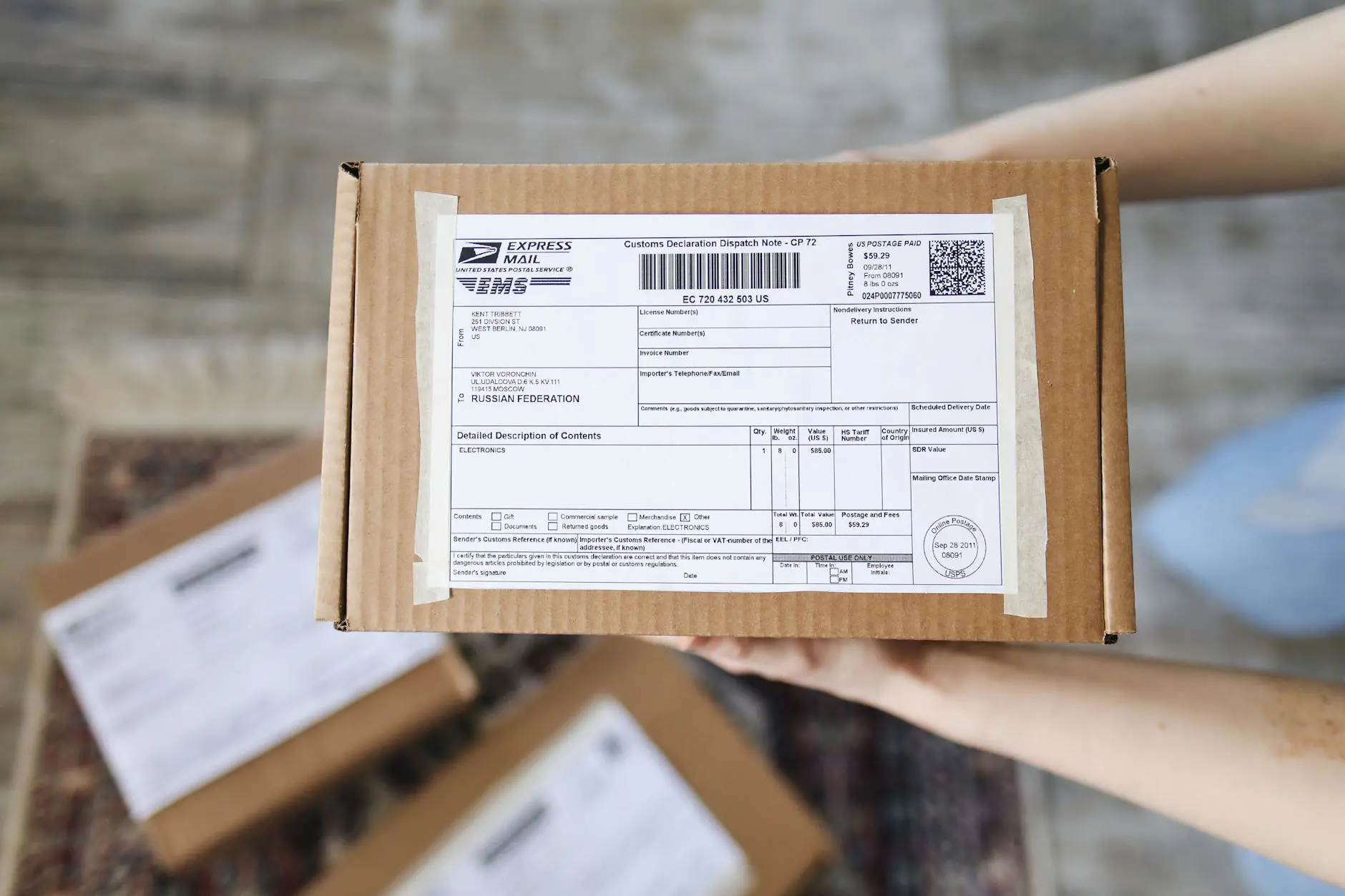
What Is Dropshipping?
Dropshipping is an e-commerce fulfillment model where you sell products online without holding any inventory. When a customer places an order on your store, you purchase the item from a third-party supplier who ships it directly to the customer. You never see, touch, or store the product.
This model dramatically lowers the barrier to entry for online selling. You do not need a warehouse, you do not need to buy inventory upfront, and you can test new products with minimal financial risk. However, dropshipping is not the effortless money machine that some influencers claim. It requires real work, smart marketing, and careful supplier management.
How Dropshipping Works
- You create an online store and list products from your suppliers
- A customer visits your store and places an order at your retail price
- You forward the order to your supplier at their wholesale price
- The supplier packages and ships the product directly to your customer
- You keep the difference between retail and wholesale price as profit
Your profit margin is typically 15-40%, depending on the product category and your pricing strategy.
Pros and Cons of Dropshipping
Advantages
- Low startup costs: No inventory investment required — you only pay for products after they are sold.
- Location flexibility: Run your business from anywhere with an internet connection.
- Wide product selection: Test hundreds of products without financial commitment.
- Easy to scale: Suppliers handle fulfillment, so growth does not require warehouse expansion.
- Low risk: If a product does not sell, you simply remove it from your store.
Disadvantages
- Lower profit margins: Without buying in bulk, your per-unit cost is higher.
- Less control over quality and shipping: You depend on suppliers to deliver a good experience.
- High competition: Low barriers mean many people sell the same products.
- Complex customer service: Handling returns and complaints for products you never touched can be challenging.
- Shipping times: Some suppliers ship from overseas, leading to long delivery windows.
Step 1: Choose a Profitable Niche
The niche you choose determines your competition level, marketing approach, and profit potential. Effective niche selection criteria:
- Passionate audience: People in the niche actively seek and discuss products (fitness, pets, hobbies).
- Problem-solving products: Items that solve a specific pain point sell better than generic commodities.
- Price sweet spot: Products priced $20-$100 offer the best balance of impulse-buy potential and margin.
- Hard to find locally: Products not easily available in regular retail stores have less competition.
Step 2: Find Reliable Suppliers
Your supplier is your silent business partner. A bad supplier will destroy your brand through poor quality, slow shipping, and inventory errors.
Top Dropshipping Supplier Platforms
| Platform | Strengths | Shipping |
|---|---|---|
| Spocket | US/EU suppliers, fast shipping | 2-7 days |
| Zendrop | Branding options, automation | 5-12 days |
| CJ Dropshipping | Large catalog, warehouses globally | 7-15 days |
| Printful | Print-on-demand, custom products | 3-7 days |
| AliExpress | Massive selection, very low prices | 15-45 days |
Prioritize suppliers with US or EU warehouses if your target market is in those regions. Customers in 2026 expect fast shipping, and 15-45 day delivery times from overseas suppliers create poor experiences and high refund rates.
Step 3: Build Your Store
Shopify is the most popular platform for dropshipping stores, but WooCommerce and BigCommerce are also solid options. Key store setup priorities:
- Choose a clean, professional theme — avoid cluttered designs that look untrustworthy
- Write unique product descriptions (never copy-paste supplier descriptions)
- Use high-quality product images and video demonstrations
- Create trust-building pages: About Us, Contact, Shipping Policy, Return Policy
- Install essential apps: product reviews, email marketing, and order tracking
Step 4: Set Up Marketing
Paid Advertising
Most successful dropshipping stores rely on paid advertising to drive initial traffic. The most effective channels:
- Facebook/Instagram Ads: Strong targeting options and visual ad formats for product-focused campaigns.
- TikTok Ads: Lower CPMs and massive reach for visually appealing, trend-friendly products.
- Google Shopping: Captures high-intent buyers actively searching for products.
Content Marketing and SEO
Build long-term organic traffic through blog content related to your niche. Product reviews, buying guides, and how-to articles attract search traffic and build authority.
Influencer Marketing
Partner with micro-influencers in your niche. Send free products in exchange for honest reviews. This approach often delivers better ROI than traditional advertising for product-based businesses.
Step 5: Manage Operations
Efficient operations keep customers happy and your business running smoothly:
- Automate order processing with supplier integration apps
- Set up automatic tracking number notifications
- Create templated responses for common customer questions
- Monitor supplier inventory levels to avoid selling out-of-stock items
- Regularly order test products to verify quality
Realistic Expectations
Be honest with yourself about what dropshipping can and cannot deliver:
- Most stores are not profitable in the first month — expect a learning curve
- Budget at least $500-$1,000 for initial advertising tests
- Profit margins are modest — volume is key to meaningful income
- Customer service is time-intensive, especially early on
- Successful stores eventually transition to holding inventory for best-sellers to improve margins and control
Conclusion
Dropshipping remains a viable way to start an e-commerce business with minimal upfront investment in 2026. Success requires choosing the right niche, finding reliable suppliers, building a trustworthy store, and mastering paid advertising. Treat it as a real business, not a get-rich-quick scheme, and you will build something sustainable.
For entrepreneurs who want a custom-built dropshipping store with unique features and branding that stands apart from template-based competitors, Ekolsoft develops tailored e-commerce solutions that give your business a professional edge.


