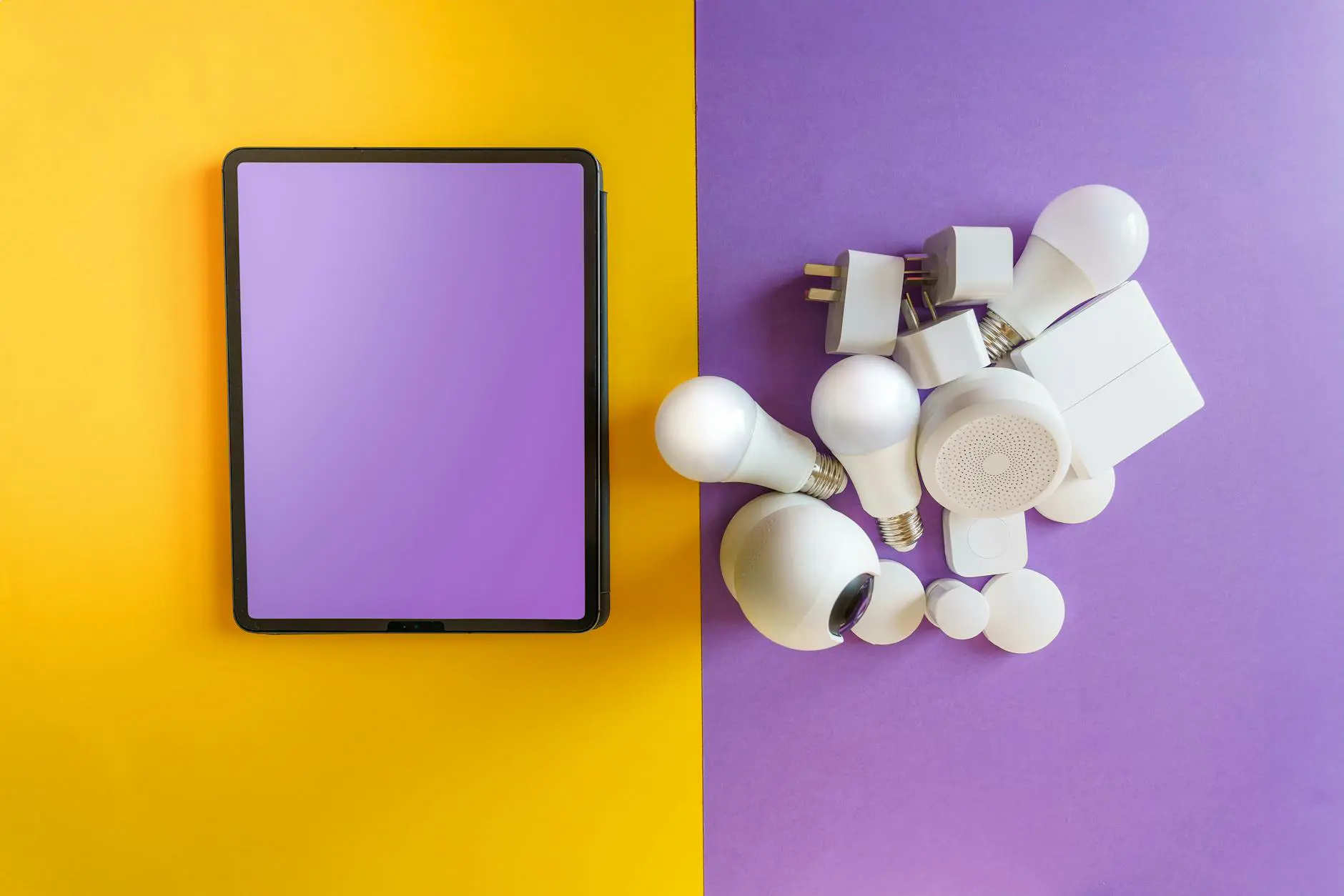
IoT: Bridging the Physical and Digital Worlds
From your thermostat automatically adjusting based on weather conditions to factory machines sending predictive maintenance alerts, countless innovations are made possible by the Internet of Things (IoT). IoT connects physical objects through the internet, enabling data collection, analysis, and intelligent decision-making on a scale never before possible.
What Is IoT?
The Internet of Things is an ecosystem of physical devices equipped with sensors, software, and connectivity technologies that exchange data over the internet. These devices collect environmental data — temperature, humidity, motion, location, pressure — and transmit it to cloud platforms where it's analyzed and transformed into actionable insights.
The Four Layers of the IoT Ecosystem
- Perception Layer: Sensors and actuators collecting data from the physical environment
- Network Layer: Data transmission via Wi-Fi, Bluetooth, LoRaWAN, 5G, and other protocols
- Processing Layer: Cloud or edge computing for data analysis and processing
- Application Layer: Smart applications and dashboards delivering value to users
7 Key Areas Where IoT Is Changing Our World
1. Smart Home Systems
Smart thermostats, lighting systems, security cameras, and voice assistants have become integral parts of daily life. Platforms like Google Nest, Amazon Alexa, and Apple HomeKit let you manage your entire home with a single touch. The smart home market is expected to exceed $150 billion by 2026.
2. Industry 4.0 and Smart Manufacturing
Industrial IoT (IIoT) is fundamentally transforming manufacturing processes. Sensors embedded in factory equipment enable real-time production monitoring, predictive maintenance, quality control, and energy optimization. These capabilities can increase manufacturing efficiency by 20-30%.
3. Smart Healthcare (IoMT)
Wearable health devices, remote patient monitoring, and smart medical equipment are revolutionizing healthcare. Heart rhythm monitoring from smartwatches, blood sugar tracking devices, and remote diagnosis systems are saving lives every day.
4. Smart Cities
Traffic management, intelligent lighting, waste collection optimization, air quality monitoring, and water management — IoT technologies are making cities more livable and sustainable.
5. Agriculture and Farming
Soil moisture sensors, drone-based imaging, automated irrigation systems, and livestock tracking solutions increase agricultural productivity while reducing resource waste. Smart farming is seen as the future of global food security.
6. Energy and Smart Grids
Smart meters, solar energy management systems, and grid optimization are making the energy sector more efficient and sustainable.
7. Transportation and Logistics
Fleet management, vehicle tracking, delivery optimization, and autonomous vehicle technologies are among IoT's most visible applications in transportation.
IoT Communication Protocols
| Protocol | Range | Power Consumption | Use Case |
|---|---|---|---|
| Wi-Fi | Short-Medium | High | Smart home, office |
| Bluetooth/BLE | Short | Low | Wearable devices |
| LoRaWAN | Long | Very low | Agriculture, smart city |
| Zigbee | Short-Medium | Low | Home automation |
| 5G | Long | Medium | Industrial IoT, autonomous vehicles |
| MQTT | N/A | Low | Messaging protocol |
IoT Security: Essential Considerations
As the number of IoT devices grows, so do security risks. By 2026, there will be over 75 billion connected devices worldwide. Keeping this massive network secure requires:
- End-to-end encryption for all device communications
- Changing default passwords and enforcing strong credential policies
- Regular firmware updates across all connected devices
- Network segmentation to isolate IoT devices from the main network
- Continuous monitoring and anomaly detection systems
IoT Development Platforms
- AWS IoT Core: Amazon's comprehensive cloud-based IoT platform
- Azure IoT Hub: Microsoft's enterprise IoT solution
- Google Cloud IoT: Analytics-focused IoT platform
- Arduino and Raspberry Pi: Ideal hardware platforms for prototyping and learning
- ThingsBoard: Open-source IoT data visualization and management platform
The Future of IoT
With 5G rollout, advancing edge computing, and deeper AI integration, the IoT ecosystem will make a quantum leap in the coming years. Digital Twin technology creates virtual replicas of physical assets for simulation and optimization. IoT isn't just a technology trend — it's the foundational infrastructure of the future.
Conclusion
The Internet of Things is fundamentally changing how we live and work by connecting the physical world with digital intelligence. From smart homes to industrial manufacturing, healthcare to agriculture, IoT creates enormous opportunities for businesses ready to embrace it. At Ekolsoft, we develop IoT-based software solutions to accelerate your organization's digital transformation.


