What Is the Metaverse?
The metaverse represents a convergence of virtual reality, augmented reality, and the internet into a persistent, shared digital universe. In 2026, it has evolved from a futuristic concept into a tangible ecosystem where people work, socialize, shop, and create. Understanding the metaverse is no longer optional for businesses and individuals who want to remain relevant in the digital age.
At its core, the metaverse is a network of interconnected 3D virtual environments that users can access through VR headsets, AR glasses, smartphones, and traditional computers. Unlike isolated virtual worlds of the past, the metaverse aims for interoperability, meaning your digital identity and assets can travel across platforms seamlessly.
Key Technologies Powering the Metaverse
Virtual Reality and Augmented Reality
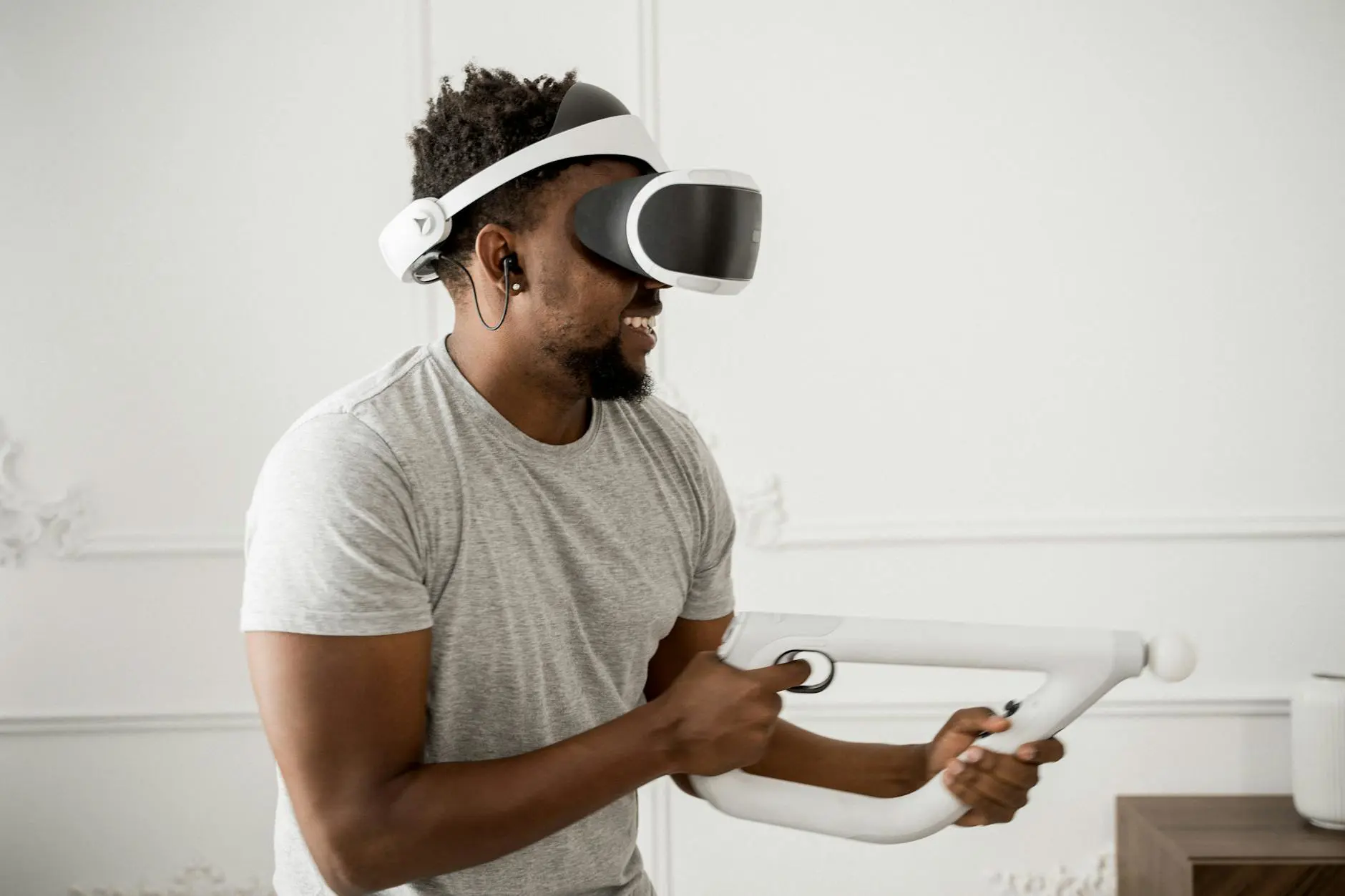
VR headsets have become lighter, more affordable, and more powerful. Standalone devices now offer resolution and field-of-view experiences that rival desktop-tethered systems from just a few years ago. AR glasses overlay digital information onto the physical world, blending realities in ways that enhance daily life and professional workflows.
Spatial Computing
Spatial computing allows digital content to understand and interact with the physical world. This technology enables objects in the metaverse to behave according to real-world physics, making virtual experiences feel natural and intuitive.
Blockchain and Digital Ownership
Blockchain technology provides the foundation for true digital ownership within the metaverse. Users can own virtual land, clothing, art, and other assets as verified digital property, creating real economic value in virtual spaces.
Business Applications of the Metaverse
Forward-thinking companies, including technology partners like Ekolsoft, are helping organizations navigate metaverse integration. Here are the primary business use cases:
- Virtual Offices and Collaboration: Remote teams meet in immersive 3D workspaces that foster better communication than traditional video calls.
- Training and Simulation: Industries such as healthcare, manufacturing, and aviation use metaverse environments for risk-free, realistic training scenarios.
- Virtual Commerce: Brands create immersive shopping experiences where customers can try products virtually before purchasing.
- Events and Conferences: Virtual venues host thousands of attendees from around the globe without travel costs or logistical barriers.
- Real Estate Visualization: Architects and real estate developers showcase properties in fully explorable 3D environments.
The Metaverse Economy
The metaverse economy has grown into a multi-billion dollar market. Virtual real estate, digital fashion, in-game assets, and creator tools all contribute to a thriving ecosystem. Key economic components include:
| Sector | Market Value (2026 Est.) | Growth Trend |
|---|---|---|
| Virtual Real Estate | $3.5 Billion | Rapid Growth |
| Digital Fashion | $2.1 Billion | Accelerating |
| Virtual Events | $4.8 Billion | Steady Growth |
| Creator Economy | $6.2 Billion | Rapid Growth |
Challenges and Considerations
Privacy and Security
As users spend more time in virtual environments, the amount of biometric and behavioral data collected increases dramatically. Eye tracking, body movement, and voice data raise significant privacy concerns that require robust regulatory frameworks.
Digital Divide
Access to metaverse experiences requires hardware and high-speed internet connections that are not universally available. Bridging this digital divide is essential for equitable participation.
Content Moderation
Immersive environments present unique moderation challenges. Ensuring safe and inclusive virtual spaces requires new tools and approaches beyond traditional content moderation methods.
How to Prepare for the Metaverse
Organizations looking to enter the metaverse should follow a strategic approach:
- Assess Relevance: Determine how metaverse technologies align with your business goals and customer needs.
- Start Small: Begin with pilot projects such as virtual showrooms or team collaboration spaces.
- Invest in Skills: Train your team in 3D design, spatial computing, and immersive experience development.
- Choose Partners Wisely: Work with experienced technology companies like Ekolsoft that understand both the technical and strategic dimensions of metaverse development.
- Monitor Trends: Stay informed about evolving standards, platforms, and regulations in the metaverse space.
The Future of the Metaverse
The metaverse is not a single destination but an evolving landscape. As hardware improves, standards mature, and user adoption grows, the boundaries between physical and digital worlds will continue to blur. Businesses that invest in understanding and leveraging the metaverse today will be better positioned to thrive in the connected future of tomorrow.
The metaverse represents the next evolution of the internet — from pages we read to worlds we inhabit. The time to start exploring is now.


