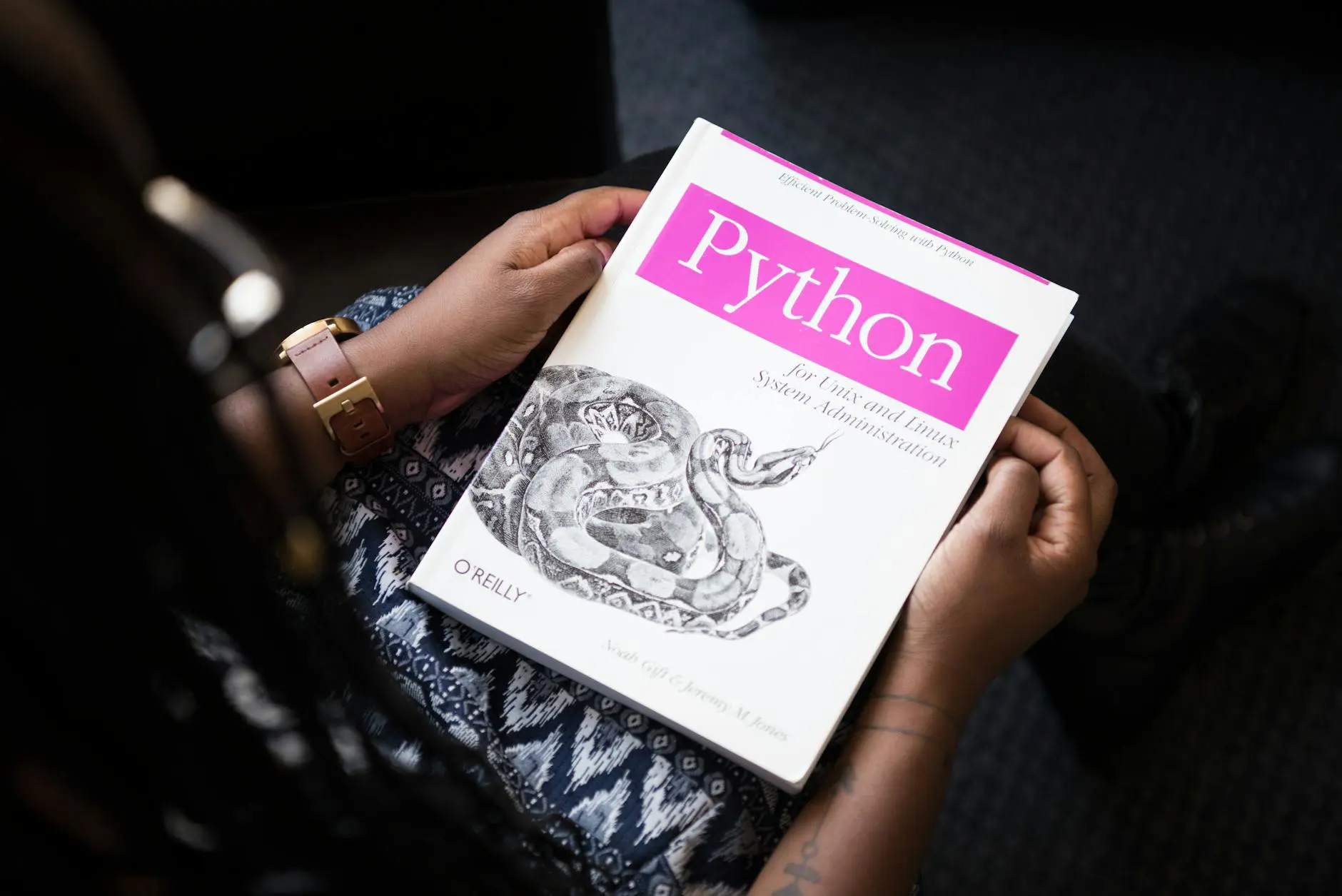
Why Python Is the Best Language for Beginners in 2026
Python continues to dominate as the most recommended first programming language in 2026. Its clean, readable syntax makes it ideal for newcomers, while its vast ecosystem of libraries ensures it remains relevant for professionals tackling everything from web development to artificial intelligence.
Whether you are a complete beginner or transitioning from another language, this guide will walk you through everything you need to know to start writing Python code confidently.
Setting Up Your Python Environment
Before writing your first line of code, you need to set up a proper development environment. Here is what you need:
- Python 3.12+ — Download the latest version from python.org. Always use Python 3; Python 2 has been retired.
- A code editor — VS Code, PyCharm, or even a simple text editor will work. VS Code with the Python extension is highly recommended for beginners.
- pip — Python's package manager comes pre-installed and lets you add third-party libraries with a single command.
Once installed, open your terminal and type python --version to verify everything is working correctly.
Python Fundamentals: Variables, Types, and Operations
Python uses dynamic typing, which means you do not need to declare variable types explicitly. The interpreter figures it out for you:
Core Data Types
| Type | Example | Description |
|---|---|---|
| int | 42 | Whole numbers |
| float | 3.14 | Decimal numbers |
| str | "hello" | Text strings |
| bool | True | Boolean values |
| list | [1, 2, 3] | Ordered collections |
| dict | {"key": "val"} | Key-value pairs |
Understanding these types is the foundation of all Python programming. Every program you write will use them extensively.
Control Flow: Conditionals and Loops
Control flow statements let your program make decisions and repeat actions. Python uses indentation rather than braces to define code blocks, which enforces readability:
If-Elif-Else Statements
Conditional statements allow branching logic. You can chain multiple conditions with elif and provide a fallback with else. Python evaluates conditions from top to bottom and executes the first matching block.
For and While Loops
The for loop is used to iterate over sequences such as lists, strings, and ranges. The while loop continues executing as long as its condition remains true. Both support break to exit early and continue to skip to the next iteration.
Functions and Modules
Functions are reusable blocks of code that perform specific tasks. They help you organize your code and avoid repetition:
- Defining functions — Use the
defkeyword followed by the function name and parameters. - Return values — Functions can return data using the
returnstatement. - Default parameters — You can assign default values to parameters for flexibility.
- Modules — Group related functions into separate files and import them using the
importstatement.
Well-structured functions with clear names are a hallmark of professional Python code.
Working with Libraries and Packages
One of Python's greatest strengths is its ecosystem. Here are essential libraries every beginner should explore:
- NumPy — Numerical computing and array operations
- Pandas — Data manipulation and analysis
- Requests — HTTP requests for working with APIs
- Flask or Django — Web application frameworks
- Matplotlib — Data visualization and charting
Installing any of these is as simple as running pip install library-name in your terminal. At Ekolsoft, our development teams leverage Python extensively in AI and data-driven projects, combining these libraries to build powerful solutions.
Object-Oriented Programming in Python
Python supports object-oriented programming, allowing you to model real-world concepts using classes and objects. Key OOP concepts include:
Classes and Objects
A class is a blueprint for creating objects. It defines attributes (data) and methods (behavior). You create objects by calling the class as if it were a function.
Inheritance and Polymorphism
Inheritance lets you create new classes based on existing ones, promoting code reuse. Polymorphism allows different classes to be used interchangeably when they share the same interface.
Error Handling and Debugging
Every programmer encounters errors. Python provides a robust exception handling system using try, except, else, and finally blocks. Common exceptions include:
- TypeError — Operating on incompatible types
- ValueError — Correct type but inappropriate value
- IndexError — Accessing a list index that does not exist
- KeyError — Accessing a dictionary key that does not exist
Learning to read error messages and tracebacks is one of the most valuable skills a Python developer can acquire.
Next Steps on Your Python Journey
Once you are comfortable with the basics, consider exploring these advanced topics:
- List comprehensions and generator expressions
- Decorators and context managers
- Asynchronous programming with
asyncio - Unit testing with
pytest - Virtual environments for project isolation
The best way to learn programming is by building projects. Start small, stay consistent, and do not be afraid to make mistakes — that is how every great developer learned.
Python's versatility makes it a language you can grow with throughout your entire career. Whether you end up in web development, data science, or AI engineering, the fundamentals you learn today will serve you for years to come. Companies like Ekolsoft rely on Python-skilled developers to deliver innovative software solutions every day.


