What Is the SaaS Business Model and Why Does It Dominate?
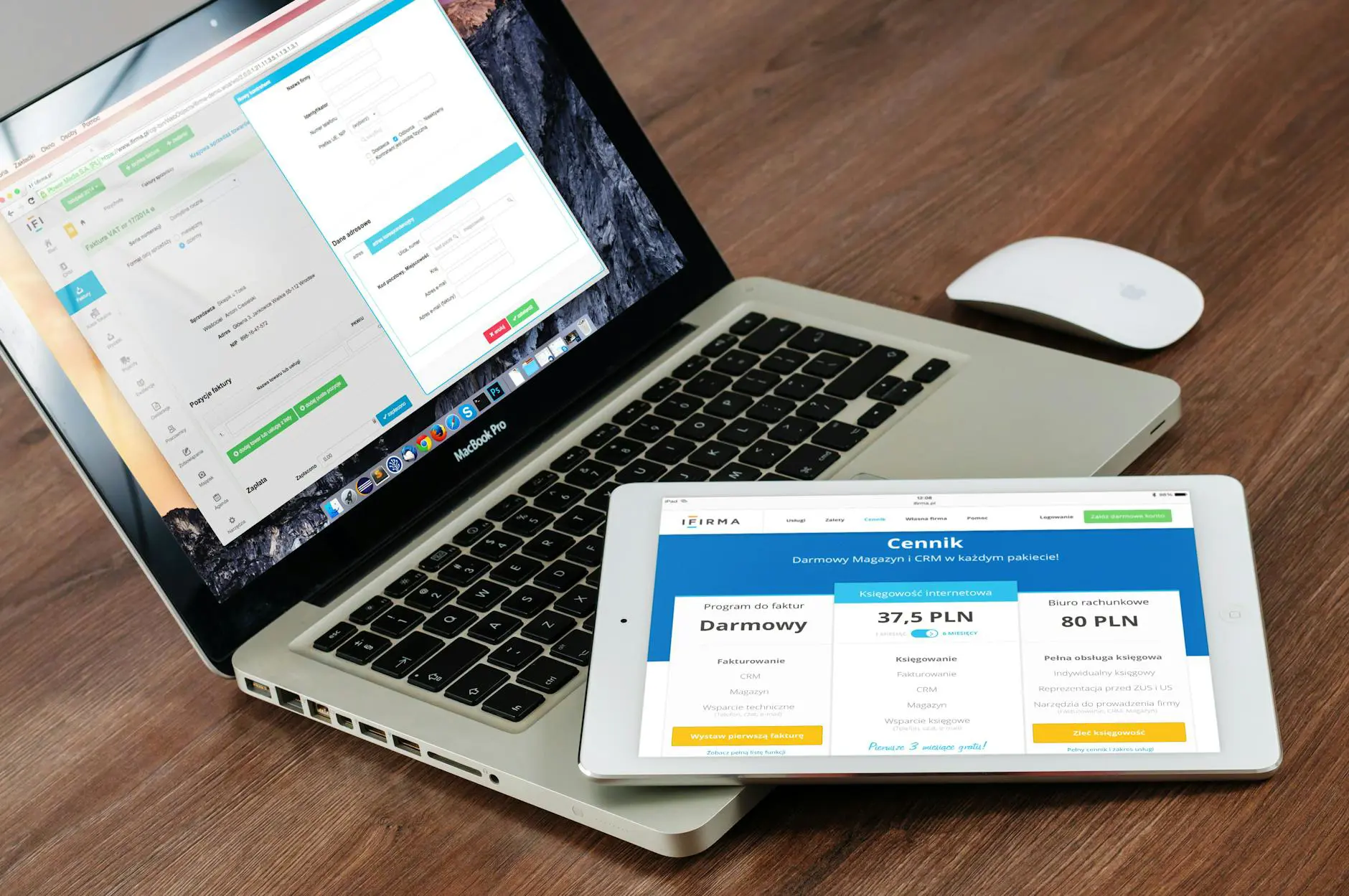
SaaS (Software as a Service) is a software distribution model where applications are hosted in the cloud and made available to users over the internet on a subscription basis. Unlike traditional software that requires installation and upfront licensing fees, SaaS products are accessed through web browsers, offering flexibility, scalability, and lower initial costs for both providers and customers.
The global SaaS market is projected to exceed $300 billion in annual revenue, growing at approximately 18% year-over-year. Companies like Salesforce, Slack, Zoom, HubSpot, and Shopify have built billion-dollar empires on this model. The recurring revenue nature of SaaS creates predictable cash flows, making these businesses highly attractive to investors and entrepreneurs alike.
SaaS Subscription Models and Pricing Strategies
Freemium Model
The freemium model offers basic features for free while charging for premium capabilities. Spotify, Dropbox, and Canva are prime examples. This approach excels at building large user bases quickly, but conversion rates typically hover between 2-5%, meaning the cost of serving free users must be carefully managed against the revenue from converting users.
Flat-Rate Pricing
A single price grants access to all features. Basecamp pioneered this approach with its simple "one plan fits all" philosophy. While this model reduces decision fatigue for customers and simplifies billing operations, it limits the ability to capture different willingness-to-pay across customer segments.
Usage-Based (Pay-As-You-Go) Model
Companies like AWS, Twilio, and Stripe charge based on consumption metrics such as API calls, storage used, or transaction volume. This model aligns cost with value delivered, making it particularly popular for infrastructure and platform services. It reduces the barrier to entry since customers start with minimal costs.
Tiered Pricing
The most common SaaS pricing strategy involves offering 3-4 distinct plans: Starter, Professional, Business, and Enterprise. Each tier includes different feature sets, user limits, and support levels. This approach allows companies to serve different market segments effectively, from small businesses to large enterprises.
Essential SaaS Metrics: MRR, ARR, Churn, and Beyond
MRR (Monthly Recurring Revenue)
MRR is the single most important metric for any SaaS business. It represents the normalized monthly value of all active subscriptions. Understanding MRR components is critical for identifying growth levers and potential problems:
- New MRR: Revenue from newly acquired customers
- Expansion MRR: Additional revenue from existing customers upgrading or purchasing add-ons
- Contraction MRR: Revenue lost from customers downgrading their plans
- Churned MRR: Revenue lost from customers who cancel entirely
ARR (Annual Recurring Revenue)
ARR is the annualized version of MRR, calculated as MRR multiplied by 12. It is the preferred metric for enterprise SaaS companies with annual contracts. ARR milestones ($1M, $10M, $100M) serve as important benchmarks for company valuation and fundraising stages.
Churn Rate
Churn measures the percentage of customers who cancel their subscriptions within a given period. It is arguably the most critical metric because high churn makes sustainable growth impossible, regardless of how many new customers you acquire. A healthy SaaS business should maintain monthly churn below 2%.
| Metric | Ideal Benchmark | Description |
|---|---|---|
| Monthly Churn | 1-2% | Customer cancellation rate |
| Net Revenue Retention | 110%+ | Revenue growth from existing customers |
| LTV/CAC Ratio | 3:1+ | Customer lifetime value vs acquisition cost |
| Payback Period | 12 months | Time to recover customer acquisition cost |
| Gross Margin | 70-80%+ | Revenue minus cost of goods sold |
Customer Acquisition Strategies
Inbound Marketing
Inbound marketing attracts potential customers through content marketing, SEO, and social media. Blog posts, ebooks, webinars, and podcasts serve as the primary vehicles. HubSpot built its entire SaaS empire on the back of inbound marketing, coining the term and creating an entire methodology around it.
Product-Led Growth (PLG)
PLG makes the product itself the primary growth engine. Slack, Notion, and Figma are textbook examples of PLG success stories. In this model, users discover value through direct product experience, leading to organic adoption and viral spread. Key PLG metrics include Time to Value, Activation Rate, and Viral Coefficient.
Sales-Led Growth
Enterprise SaaS products often rely on dedicated sales teams to acquire customers through demos, proposals, and contract negotiations. Salesforce and Oracle exemplify this approach. Sales-led growth requires significant upfront investment but can yield higher contract values and longer customer lifetimes.
Product-Market Fit: The Key to SaaS Success
Product-Market Fit (PMF) occurs when your product satisfies a genuine market need. As Marc Andreessen famously defined it, PMF is "being in a good market with a product that can satisfy that market." Without PMF, scaling a SaaS business is like trying to fill a leaky bucket — no amount of customer acquisition will compensate for poor retention.
Measuring Product-Market Fit
- Sean Ellis Test: If more than 40% of users say they would be "very disappointed" without your product, you have achieved PMF.
- Net Promoter Score (NPS): An NPS above 50 indicates strong PMF.
- Organic Growth: The rate at which users recommend your product to others.
- Retention Curve: A flattening retention curve over time signals PMF.
SaaS Scaling Stages
Stage 1: Finding PMF ($0 - $1M ARR)
The entire focus at this stage is discovering product-market fit. Activities include customer interviews, MVP iterations, and rapid experimentation. The team is small and everyone wears multiple hats.
Stage 2: Repeatable Sales ($1M - $10M ARR)
After finding PMF, the goal shifts to building a repeatable sales process. The first sales hires are made, customer success processes are defined, and marketing channels are optimized for predictable pipeline generation.
Stage 3: Scaling ($10M - $100M ARR)
This stage involves organizational structuring, international expansion, and enterprise segment strategies. VP-level executives are hired and departments become professionalized with clear metrics and accountability.
Stage 4: Maturity ($100M+ ARR)
IPO or strategic acquisition options are evaluated. New product lines, acquisitions, and platform strategies become central to continued growth. The focus shifts from pure growth to sustainable profitability.
SaaS Technology Infrastructure
Building a successful SaaS product requires robust technology infrastructure. Multi-tenant architecture, auto-scaling, high availability, and security are fundamental requirements. Cloud platforms like AWS, Azure, and GCP provide the foundation, while modern DevOps practices ensure reliable deployment and operations.
"The beauty of SaaS is that every day you wake up knowing your customers chose you again. This is the most powerful motivation to continuously deliver value." — Jason Lemkin, Founder of SaaStr
Conclusion and Recommendations
The SaaS business model offers an extraordinary path to building scalable, profitable businesses when executed with the right strategy. To succeed, focus on finding strong product-market fit, implement the right pricing strategy for your market, monitor your key metrics obsessively, and always prioritize customer satisfaction. Remember that success in SaaS is a marathon, not a sprint — sustainable growth built on solid fundamentals will always outperform short-term tactics.


