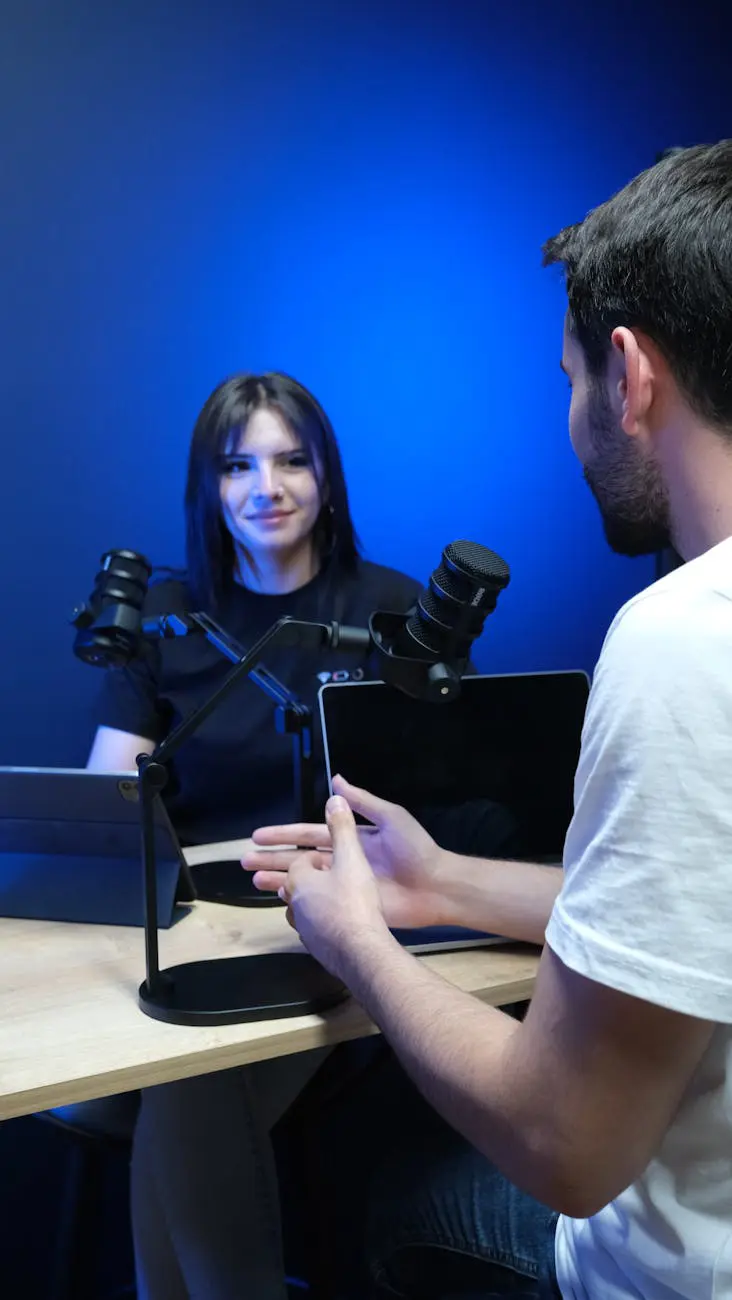
Why Podcasting Is a Powerful Marketing Channel
Podcasting has matured from a niche hobby into a mainstream content channel with over 500 million listeners worldwide. For businesses, podcasts offer unique advantages: they build intimate connections with audiences, establish thought leadership, and reach people during moments when other content formats cannot, such as commutes, workouts, and household tasks.
Unlike blog posts or social media updates, podcast episodes create a direct, personal connection. Listeners spend 30 to 60 minutes with your voice, building trust and familiarity that accelerates the buyer journey.
Planning Your Podcast
Successful podcasts begin with thorough planning that aligns content with business goals.
Defining Your Concept
- Topic focus: Choose a subject area where your expertise meets audience demand. Niche topics attract more dedicated listeners than broad, generic subjects.
- Format selection: Solo commentary, interview-based, co-hosted discussion, narrative storytelling, or hybrid formats each have distinct advantages.
- Episode length: Match duration to your content depth and audience preferences. Fifteen to thirty minutes works for focused topics, while interview shows typically run 45 to 60 minutes.
- Release schedule: Consistency matters more than frequency. A reliable weekly schedule outperforms sporadic daily publishing.
Naming and Branding
Your podcast name should be memorable, searchable, and clearly communicate the show's focus. Include relevant keywords that potential listeners might search for, but avoid generic names that get lost among thousands of competing shows.
Essential Equipment and Software
You do not need a professional studio to produce quality podcasts, but certain equipment investments make a significant difference.
| Item | Budget Option | Professional Option | Why It Matters |
|---|---|---|---|
| Microphone | Audio-Technica ATR2100x | Shure SM7B | Audio quality defines listener experience |
| Headphones | Sony MDR-7506 | Beyerdynamic DT 770 | Monitor audio during recording |
| Audio interface | Focusrite Scarlett Solo | RodeCaster Pro | Converts analog audio to digital |
| Recording software | Audacity (free) | Adobe Audition | Record and edit episodes |
| Hosting platform | Anchor/Spotify | Buzzsprout, Libsyn | Distribute to directories |
Invest in the best microphone your budget allows. Listeners will forgive imperfect content but will abandon a show with poor audio quality within seconds.
Recording and Production
Develop a production workflow that maintains quality while keeping production time manageable.
Recording Best Practices
- Environment: Record in a quiet room with soft furnishings that absorb echo. Even a closet full of clothes provides better acoustics than an empty room.
- Microphone technique: Maintain consistent distance from the microphone, typically four to six inches. Use a pop filter to reduce plosive sounds.
- Preparation: Create an outline rather than a full script. Notes keep you on track while maintaining natural conversation flow.
- Remote interviews: Use dedicated recording platforms like Riverside or SquadCast that capture local audio on each participant's device for better quality.
Editing Workflow
Develop an efficient editing process that balances polish with production speed. Remove long pauses, filler words, and off-topic tangents, but preserve natural speech patterns that keep the audio authentic. Add intro and outro music, level audio volumes, and apply noise reduction as needed.
Distribution and Promotion
Getting your podcast in front of potential listeners requires strategic distribution and active promotion.
Podcast Directories
- Submit to Apple Podcasts, Spotify, Google Podcasts, Amazon Music, and Stitcher at minimum.
- Create a dedicated podcast page on your website with embedded players and show notes.
- Generate an RSS feed through your hosting platform for automatic directory distribution.
Promotion Strategies
- Social media clips: Extract compelling 30 to 60 second audio clips with waveform visualizations for social sharing.
- Show notes and blog posts: Create detailed show notes with timestamps, links, and key takeaways to drive organic search traffic.
- Email marketing: Notify subscribers about new episodes with brief previews that entice listens.
- Cross-promotion: Appear as a guest on other podcasts and invite relevant guests to yours.
- Audiograms: Create short video clips combining audio with visual elements for platforms like Instagram and LinkedIn.
Measuring Podcast Success
Track metrics that indicate real audience engagement and business impact.
- Downloads per episode: The primary metric for audience size, tracked over 7 and 30-day windows.
- Listener retention: How far into episodes listeners continue before dropping off.
- Subscriber growth: Month-over-month increase in regular subscribers across platforms.
- Reviews and ratings: Social proof that attracts new listeners and improves directory rankings.
- Website traffic: Visits driven from podcast mentions and show notes.
Monetization and Business Impact
Podcasts generate business value through multiple channels beyond direct advertising revenue. They position your brand as an industry authority, create networking opportunities through guest interviews, and provide content that can be repurposed across other marketing channels. At Ekolsoft, we view podcasting as one component of a holistic content marketing strategy, where each format reinforces the others to maximize reach and impact.
Sponsorships, premium content subscriptions, and event promotions offer additional revenue streams as your audience grows. The key is building a loyal listener base first, as monetization opportunities naturally follow a committed and engaged audience.