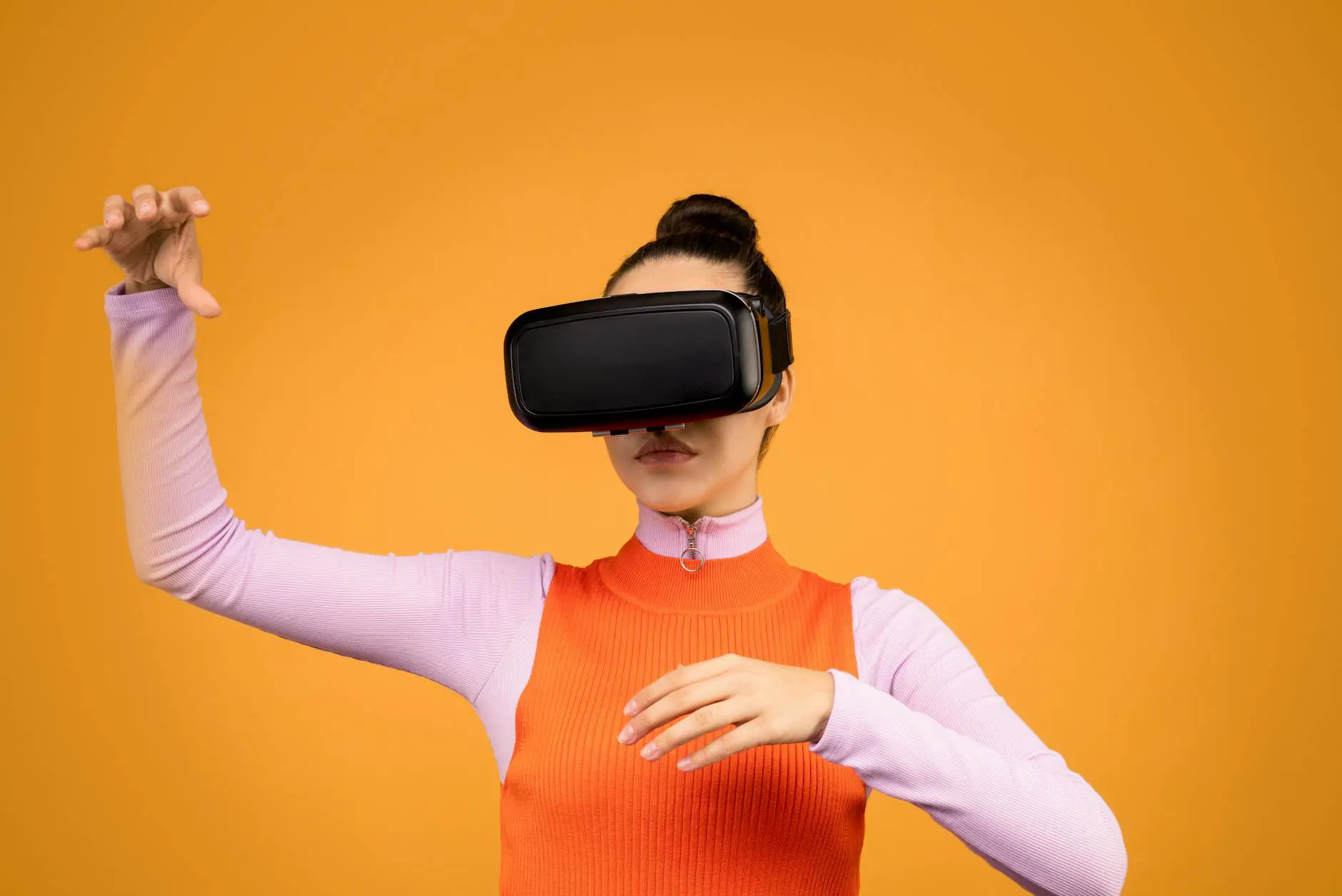
Understanding Virtual Reality in 2026
Virtual Reality (VR) has evolved from a niche gaming technology into a transformative platform reshaping industries from healthcare to education. By immersing users in fully digital environments through specialized headsets, VR creates experiences that are impossible in the physical world. In 2026, the VR landscape is defined by more accessible hardware, improved content creation tools, and expanding enterprise adoption.
The global VR market continues to grow rapidly, driven by advances in display technology, motion tracking, and content ecosystems. What was once reserved for tech enthusiasts and gaming communities now serves as a practical tool for training, collaboration, therapy, and design.
Current VR Hardware Landscape
| Device | Type | Key Feature |
|---|---|---|
| Meta Quest 3S | Standalone | Affordable mixed reality with full-color passthrough |
| Apple Vision Pro | Standalone | Spatial computing with eye and hand tracking |
| PlayStation VR2 | Tethered | Eye tracking and haptic feedback for gaming |
| Valve Index 2 | Tethered | High-fidelity PC VR with precise tracking |
| HTC Vive XR Elite | Standalone/Tethered | Versatile enterprise-focused headset |
How VR Technology Works
Display Technology
Modern VR headsets use high-resolution displays positioned close to the eyes with specialized lenses that create a wide field of view. Pancake lenses have replaced traditional Fresnel lenses in newer headsets, enabling slimmer, lighter designs without sacrificing visual quality. Resolution, refresh rate, and persistence all contribute to visual comfort and immersion.
Tracking Systems
VR tracking determines the user's position and orientation in space:
- Inside-out tracking — Cameras on the headset track the environment without external sensors, used by most modern standalone headsets
- Outside-in tracking — External base stations provide highly accurate positional tracking, preferred for room-scale VR
- Hand tracking — Computer vision algorithms track hand and finger movements without controllers
- Eye tracking — Infrared sensors monitor eye position for foveated rendering and natural interaction
Rendering Pipeline
VR rendering is demanding because two separate views must be generated simultaneously at high frame rates to prevent motion sickness. Key techniques include:
- Foveated rendering — Renders full detail only where the user is looking, reducing GPU load by up to 50%
- Asynchronous Spacewarp — Generates intermediate frames to maintain smooth motion even when the GPU cannot maintain the target frame rate
- Fixed Foveated Rendering — Reduces resolution at the edges of the display where the eye is less sensitive
VR Development Platforms
Unity
Unity remains the most popular engine for VR development, offering comprehensive XR toolkit support, a vast asset store, and deployment to virtually every VR platform. The XR Interaction Toolkit provides standardized interaction patterns for grabbing, teleporting, and manipulating objects.
Unreal Engine
Unreal Engine excels at high-fidelity visual experiences. Its rendering capabilities, including Nanite virtualized geometry and Lumen global illumination, enable photorealistic VR environments. Enterprise visualization projects often choose Unreal for its visual quality.
WebXR
WebXR enables VR experiences directly in web browsers, lowering the barrier to entry for users. Libraries like A-Frame and Three.js make it possible to create VR content using web technologies, though with some performance trade-offs compared to native applications.
Enterprise VR Applications
VR's greatest growth area is enterprise adoption:
- Training and Simulation — High-risk training scenarios for medical procedures, manufacturing, emergency response, and military operations
- Remote Collaboration — Virtual meeting spaces that feel more natural than video calls with spatial audio and shared whiteboards
- Design and Prototyping — Architects and product designers review and iterate on designs in full scale before physical production
- Therapy and Rehabilitation — Exposure therapy for phobias, PTSD treatment, and physical rehabilitation exercises
- Real Estate — Virtual property tours that save time and reach distant buyers
Ekolsoft explores VR and immersive technology solutions for clients seeking innovative ways to train employees, showcase products, or engage customers through experiences that transcend traditional screens.
Challenges and Considerations
Motion Sickness
Vestibular discomfort remains VR's biggest adoption barrier. Developers must follow comfort guidelines: maintain high frame rates, avoid artificial locomotion, and provide teleportation-based movement options. Comfort ratings help users choose experiences appropriate for their tolerance level.
Content Creation
Creating compelling VR content is more complex than traditional media. It requires understanding spatial design, 3D interaction patterns, and performance constraints unique to VR. The skills gap in VR content creation remains a significant challenge for the industry.
The Future of VR
- Lighter, cheaper headsets — Advances in display and optics technology will produce consumer-friendly form factors at lower price points
- Haptic technology — Advanced haptic gloves and bodysuits will add touch sensations to virtual environments
- Social VR — Shared virtual spaces for socializing, gaming, and working will become mainstream
- AI-generated environments — Artificial intelligence will enable real-time generation of virtual worlds and NPCs
- Mixed reality convergence — The line between AR and VR will blur as headsets seamlessly switch between modes
Virtual reality is no longer just about escaping to other worlds — it is becoming a practical medium for learning, creating, and connecting in ways that extend human capability beyond physical limitations.


