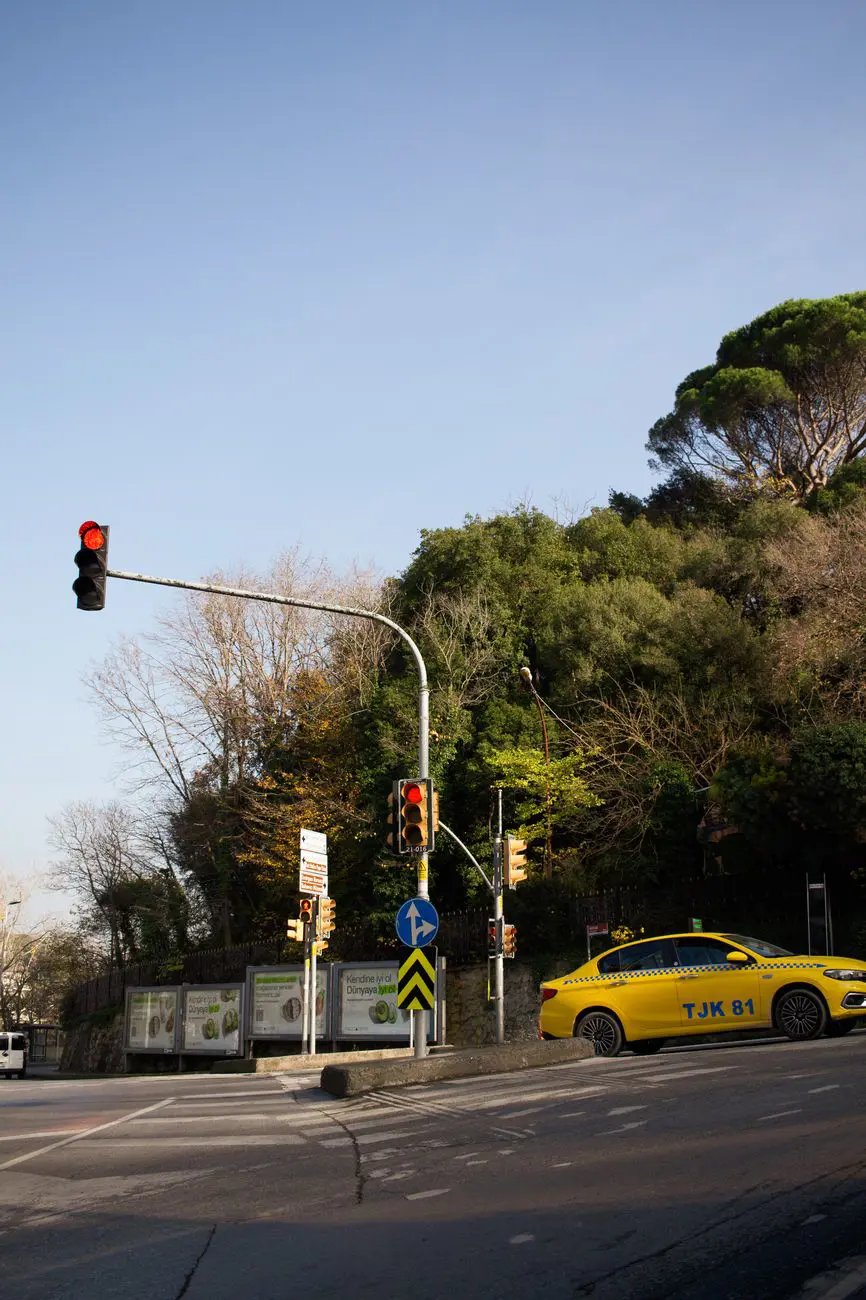
What Is AI Stock Photography?
Stock photography has long been a reliable source of passive income for photographers. However, with the rise of AI image generators in recent years, this field has taken on an entirely new dimension. It is now possible to produce high-quality visuals using nothing more than text prompts, without needing a professional camera or studio.
AI-powered stock photography refers to the practice of creating original images using artificial intelligence tools and listing them for sale on stock photography platforms. This emerging business model offers an opportunity for anyone to enter the visual content market, even those without traditional photography skills.
Most Popular AI Image Generators
There are numerous AI image generators available on the market today. Each has its own strengths and use cases. Here are the most widely used tools for stock photo production:
Midjourney
Midjourney is known for producing artistically impressive and aesthetically striking visuals. It can generate everything from photorealistic images to abstract art. Its Discord-based interface also provides access to strong community support. It remains one of the most popular choices for stock photography because its output quality is consistently high.
DALL-E 3
Developed by OpenAI, DALL-E 3 stands out for its exceptional understanding of text descriptions. It can successfully process complex scenes and detailed prompts. Its integration with ChatGPT simplifies the prompt-writing process considerably. It also offers a clear commercial usage policy, making it attractive for stock photo creators.
Stable Diffusion
As an open-source tool, Stable Diffusion is the most flexible AI image generator available. You can run it on your own computer, train custom models, and generate unlimited images. Being free and highly customizable makes it a favorite among stock photo producers who want full control over their workflow.
Adobe Firefly
Adobe Firefly is specifically designed to produce commercially safe images. Since its training data consists exclusively of licensed content, it offers a more secure option regarding copyright concerns. Its integration with Adobe Creative Cloud allows seamless incorporation into professional workflows.
Stock Photography Platforms and AI Images
There are several platforms where you can sell AI-generated images. However, each platform has different policies regarding AI content. Understanding these policies is critical for developing a successful strategy.
Adobe Stock
Adobe Stock was one of the first major platforms to accept AI-generated images. You are required to indicate that your images were created by AI. Images produced with Adobe Firefly receive priority consideration. With high commission rates and a broad customer base, it stands out as an attractive platform for AI content creators.
Shutterstock
Shutterstock, which also offers its own AI image generation tool, is open to AI content. The platform uses a separate tagging system for AI images and requires clear labeling. Its extensive customer base ensures significant sales potential for quality AI-generated visuals.
iStock (Getty Images)
Getty Images has taken a more cautious approach to AI visuals but has begun accepting AI content under certain conditions. It offers opportunities particularly for high-quality images that meet editorial standards and professional benchmarks.
Freepik and Wirestock
Platforms like Freepik and Wirestock actively encourage AI-generated images. Wirestock is particularly practical because it allows you to distribute to multiple platforms simultaneously. These platforms are popular among beginners due to their lower barrier to entry.
Licensing Models and Copyright
Licensing is one of the most important considerations when dealing with AI-generated images. A wrong step can lead to legal complications that could impact your business.
Royalty-Free (RF) License
This is the most common licensing model in stock photography. The buyer pays once and can use the image in multiple projects without additional fees. This model applies to AI images as well. As a seller, you earn a commission from each sale, and the more an image sells, the more income you generate over time.
Rights-Managed (RM) License
Under this model, the usage rights for an image are tied to specific conditions. Factors such as duration, geographic scope, and intended use determine the price. While less common, it can yield higher returns for high-quality and unique AI images that serve specific commercial purposes.
Copyright Status of AI Images
The copyright status of AI-generated images remains a debated topic globally. In many countries, it has not yet been clearly established whether images created entirely by artificial intelligence can be protected by copyright. For this reason, adhering to the specific rules of each stock photography platform is of great importance. Always declare that your images were generated by AI and comply with all labeling requirements set by the platform.
Effective Prompt Writing Techniques
The key to success in AI image generation lies in writing effective prompts. A good prompt accurately describes the image you want and enables the AI tool to produce the best possible result.
Use Detailed Descriptions
Provide specific details rather than general statements. Instead of saying "an office," write something like "a young professional working on a laptop in a modern, bright office with natural light coming through the window and minimalist decor." The more detailed you are, the closer the result will be to what you envision.
Specify Technical Parameters
Add technical details such as camera angle, lens type, lighting conditions, and composition to your prompt. For example, specifying "85mm lens, shallow depth of field, golden hour lighting, rule of thirds composition" will help produce photorealistic and professional-looking results that stock photo buyers expect.
Follow Stock Photography Trends
Research which types of images sell the most. Categories such as business, technology, health, lifestyle, and environment generally see high demand. Consider seasonal trends and current events when shaping your prompt strategy to maximize relevance and sales potential.
Pricing Strategies
Proper pricing in stock photo sales is a critical factor that directly affects your income. Here are the key strategies to consider:
Volume Strategy
The goal of this approach is to produce as many images as possible and expand your portfolio. Even if you earn a small amount per image, the high total sales volume will increase your overall income. The fast production capacity of AI tools makes this strategy highly viable. You can create dozens or even hundreds of images per day and upload them across multiple platforms.
Niche-Focused Strategy
Specializing in a specific niche can help you face less competition and command higher prices. For example, by focusing on a particular industry, culture, or concept, you can become the go-to source for buyers in that area. Niche images generally sell at higher prices compared to generic visuals because they serve specific needs that generic content cannot fulfill.
Premium Quality Strategy
Focus on producing fewer but exceptionally high-quality images. Take the time to ensure each image is polished through prompt optimization, post-production editing, and quality control. You can sell at higher prices on premium platforms. This strategy helps build brand value over time and establishes you as a trusted creator in the marketplace.
Tips for Success
To succeed in AI stock photography, there are several core principles you should keep in mind:
- Regularly produce new images and continuously expand your portfolio
- Pay attention to keyword optimization; the right tags can significantly boost your sales
- Analyze your sales data and focus on the types of images that sell the most
- Sell on multiple platforms to diversify your income sources
- Stay updated with AI tool developments and quickly adopt new features
- Perform quality checks before uploading; filter out blurry, distorted, or artificially looking images
- Regularly review copyright rules and platform policies for any changes
- Develop your post-production skills; sometimes small edits can dramatically increase an image's sales potential
Future Outlook
The field of AI image generation continues to evolve rapidly. New models that produce more realistic, higher-resolution, and more controllable images are constantly being released. AI video generation is also seen as the next major step in this space, opening up even more opportunities for content creators.
The stock photography market is expected to continue growing alongside AI-generated images. Those who enter this space early and build a quality portfolio will gain a significant competitive advantage in the long run. However, keep in mind that competition will also increase rapidly, so you need to continuously improve your skills and closely follow emerging trends.
Creating stock photos with artificial intelligence is one of the most exciting passive income opportunities of the digital age. By choosing the right tools, developing effective strategies, and working consistently, it is entirely possible to build a successful presence in this growing market.
Take the first step into the world of AI-powered stock photography and start earning passive income today. Create your first images, upload them to platforms, and secure your place in this expanding market!