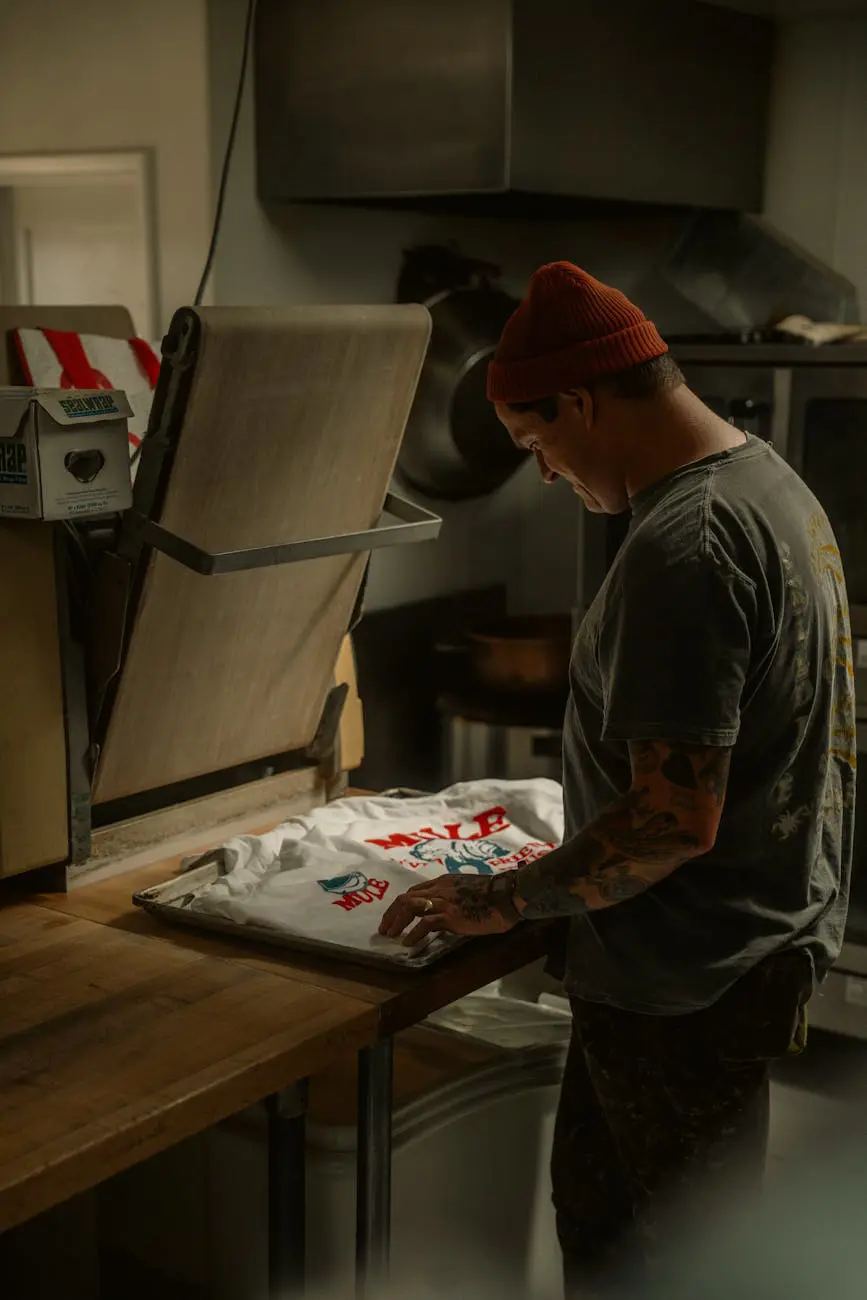
What is Print on Demand (POD)?
Print on Demand is an e-commerce fulfillment model where products are manufactured only after a customer places an order. Unlike traditional retail models, there is no need for bulk production or inventory management. When a customer orders a product, it is printed with your design, packaged, and shipped directly to them by a third-party supplier.
This model is widely used for customizable products such as t-shirts, hoodies, mugs, posters, phone cases, and notebooks. Offering a low-risk business opportunity for entrepreneurs, designers, and content creators, POD has become one of the most popular e-commerce business models in recent years.
How Does Print on Demand Work?
The POD business model operates through a straightforward process that involves several key steps:
- Create Your Designs: You prepare original designs for the products you want to sell. These can be graphic-based, typographic, illustrative, or photographic in nature.
- Upload to a POD Platform: You upload your designs to a POD provider's platform and select which products they should be applied to.
- Set Up Your Online Store: You list your products for sale through your own e-commerce website or marketplaces like Etsy and Amazon.
- Receive Orders: When a customer purchases your product, the order is automatically forwarded to the POD provider.
- Production and Shipping: The POD provider prints the product, packages it, and ships it to the customer. You are not involved in any physical handling throughout this process.
Advantages of Print on Demand
The POD business model offers several significant advantages over traditional e-commerce models. These benefits make it particularly attractive for aspiring entrepreneurs.
Low Startup Costs
One of the biggest advantages of POD is that it requires minimal upfront investment. You do not need to purchase inventory, rent warehouse space, or invest in production equipment. All you need is design skills or the ability to work with a designer to create compelling artwork.
Zero Inventory Risk
In traditional retail models, unsold products can lead to significant financial losses. With the POD model, products are only manufactured when an order is placed, completely eliminating inventory risk. This provides financial security, especially for beginners who are testing the market.
Wide Product Range
POD providers typically offer hundreds of different product options. You can sell your designs on everything from t-shirts and mugs to posters and tote bags. Adding new products to your catalog requires no additional investment whatsoever.
Location Independence
You can manage your POD business from anywhere in the world. All you need is an internet connection and a computer. Logistics processes such as production, packaging, and shipping are entirely handled by the POD provider.
Easy Scalability
As your business grows, you can scale without making additional investments. Whether you receive 10 or 10,000 orders, you do not need to worry about production capacity. Your POD provider manages this capacity on your behalf.
Disadvantages of Print on Demand
Like every business model, POD also has its drawbacks. It is important to consider these points to make an informed decision before diving in.
Lower Profit Margins
The per-unit cost of POD products is higher compared to bulk-manufactured items. This narrows profit margins considerably. To succeed, you need to develop effective pricing strategies and create high-value designs that justify premium pricing.
Limited Customization
The products and printing techniques offered by POD providers come with certain limitations. It may not always be possible to design a completely custom product or offer unique packaging options that set your brand apart.
Quality Control Challenges
Since you do not directly control the production process, you must rely on your POD provider for quality. For this reason, it is crucial to work with reliable providers known for high-quality printing and consistent output.
Longer Shipping Times
Because each order is produced individually, shipping times can be longer compared to fulfillment from ready stock. Managing customer expectations properly and clearly communicating delivery timeframes is essential for maintaining satisfaction.
Most Popular Print on Demand Platforms
There are numerous platforms and providers in the POD space. Here are some of the most widely used options:
- Printful: One of the leading POD providers, offering a wide product range, high print quality, and integration capabilities with various e-commerce platforms.
- Printify: Works with multiple print partners to offer competitive pricing and an extensive selection of products across different categories.
- Teespring (Spring): An easy-to-use platform designed especially for content creators and social media influencers looking to monetize their audience.
- Redbubble: A POD platform with its own built-in marketplace that caters to independent artists and designers worldwide.
- Merch by Amazon: Amazon's own POD service that provides access to its massive customer base and established trust.
Tips for Building a Successful POD Business
Succeeding in the POD business model requires more than just creating beautiful designs. You need to adopt a strategic approach that encompasses market research, branding, and marketing.
Choose Your Niche Carefully
Rather than trying to appeal to a general audience, focusing on a specific niche market is a far more effective strategy. For example, choose niche areas with a defined target audience such as "funny designs for cat lovers" or "motivation-themed products for yoga enthusiasts." A well-defined niche helps you stand out in a crowded marketplace.
Conduct Market Research
Before creating your designs, research your target market thoroughly. Analyze trending topics, examine what your competitors are offering, and identify what types of designs customers are searching for. Google Trends, Etsy search data, and social media trends provide valuable insights for this purpose.
Create High-Quality Designs
Design quality is a decisive factor in the success of your POD business. Focus on creating professional-looking, high-resolution designs that resonate with your target audience. You can use tools such as Canva, Adobe Illustrator, or Procreate to bring your creative vision to life.
Invest in SEO and Digital Marketing
Write SEO-optimized product titles and descriptions to increase your products' visibility in search results. Expand your customer base through social media marketing, influencer collaborations, and paid advertising campaigns across platforms like Instagram, Pinterest, and TikTok.
Prioritize Customer Experience
Maintain the highest level of customer satisfaction through prompt customer support, transparent return policies, and regular communication. Satisfied customers will make repeat purchases and recommend your brand to others, creating organic growth.
How Much Can You Earn with Print on Demand?
Earnings from POD depend on numerous factors. The quality of your designs, your niche selection, your marketing strategy, and your product pricing all directly affect your income potential.
To provide a general perspective, successful POD entrepreneurs can earn between $5 and $15 profit per product sold. A mid-scale POD business selling 100 to 500 products per month can generate between $500 and $7,500 in monthly net income. Of course, some highly successful entrepreneurs earn well above these figures.
The key is to set realistic expectations at the beginning and focus on growing your business over time. The first few months typically involve lower sales volumes, but with the right strategies and consistent effort, you can gradually increase your sales and build a sustainable income stream.
Print on Demand Trends in 2026
The POD industry is continuously evolving, and several notable trends are shaping the landscape in 2026:
- AI-Powered Design: Artificial intelligence tools are enabling faster and more creative design generation, lowering the barrier to entry for non-designers.
- Sustainable Products: Demand for eco-friendly materials and products made from organic fabrics is experiencing significant growth as consumers become more environmentally conscious.
- Personalization: The ability for customers to customize products with their own names, photos, or messages is becoming increasingly popular and commands higher price points.
- Global Expansion: POD providers are opening more production facilities worldwide to reduce delivery times and improve the customer experience across different regions.
- Niche Communities: Customized products targeting specific communities and subcultures are seeing growing demand as consumers seek products that reflect their identity.
Conclusion
Print on Demand is one of the most effective ways to enter the e-commerce world with low risk and minimal investment. By eliminating traditional challenges such as inventory management, production, and logistics, this model offers an accessible entrepreneurship opportunity for anyone with creative ideas.
Building a successful POD business requires choosing the right niche market, creating quality designs, and implementing effective marketing strategies. With patience and consistency, you can transform the POD model into a sustainable and profitable income source.
If you are ready to start your own Print on Demand business, create your first design today and step into this exciting e-commerce world. For more information about e-commerce solutions and logistics support, do not hesitate to get in touch with us!


